How to Choose a Wiring Harness Manufacturer
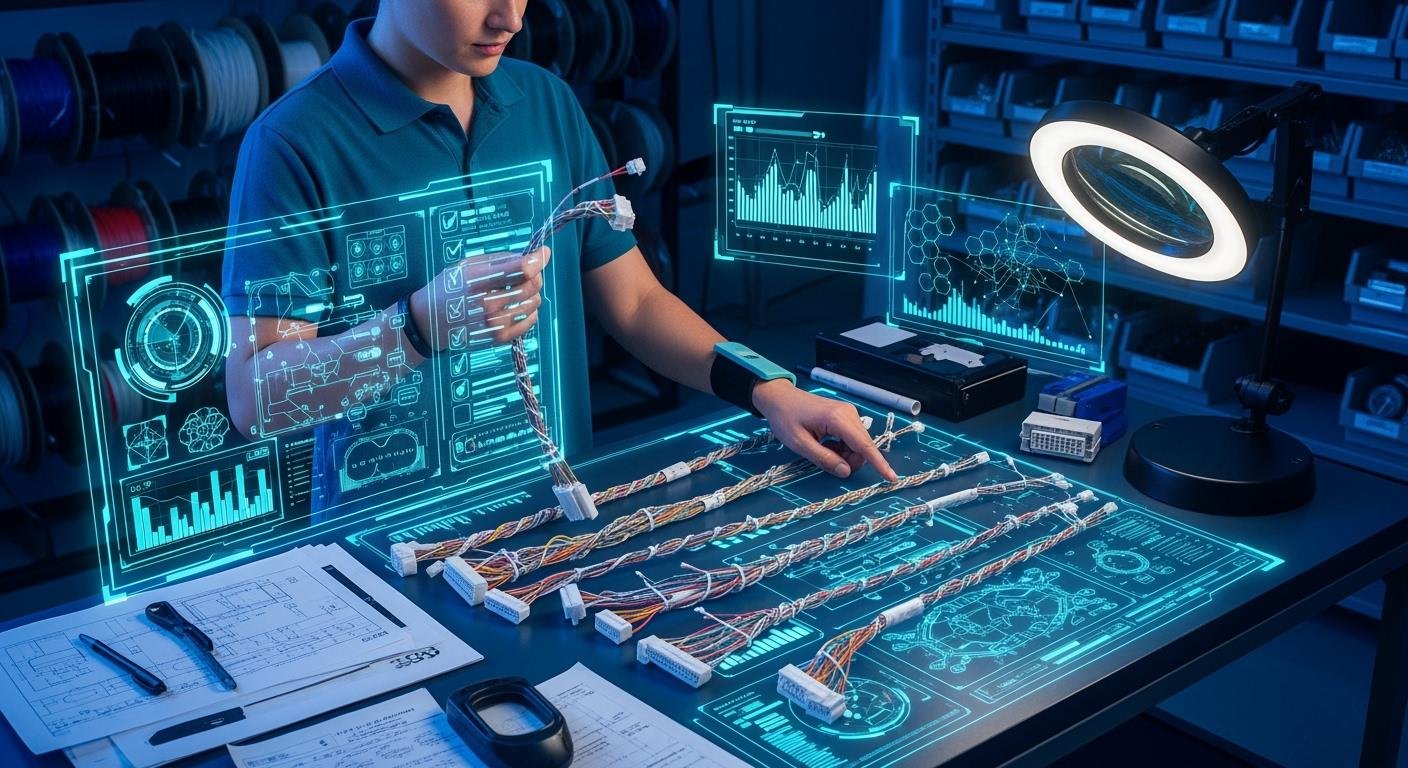
To pick a wiring harness manufacturer, you should look at their technical skills. You also need to check their certifications and quality control. Look at their manufacturing abilities and if they can customize products. Think about the cost and how much supplier expertise and support they offer. Choosing a good manufacturer gives you reliability and safety. It also helps your wiring harness work well.
About 70% of wiring harness problems happen because of bad manufacturing. These problems often come from small mistakes.
Aspect | Description |
|---|---|
Careful testing, like checking electrical flow, insulation strength, and shaking tests | |
Material Quality | Good wires with strong insulation help them last longer |
Industry Standards | Tough rules like ISO/TS 16949 certification make sure they meet or beat needs |
You should look at both technical parts and business things. These include experience, shipping, and being eco-friendly. This helps you make the best choice.
Key Takeaways
Check if the manufacturer has good technical skills and certifications. This helps make sure the products are safe and high quality. Think about if the manufacturer can customize products for your project. Customization can help the products work better. Look at how much experience the manufacturer has. See if they have a good history of being reliable and helpful. Make sure the manufacturer uses strong quality control. This helps stop mistakes and makes products last longer. Pick manufacturers who care about the environment. They should follow rules and help keep the planet safe.
Define Your Wiring Harness Needs
Application and Specifications
First, think about where you will use the wiring harness. Automotive wiring harnesses must handle heat and shaking. Cars and trucks need strong harnesses for hard conditions. Appliance harnesses connect parts in things like fridges and washers. These harnesses must fit small spaces and follow safety rules. Industrial wiring harnesses power machines in factories. They need extra protection from dust, water, and chemicals. Picking the right harness helps it last longer and work better. Always make sure the harness has the right certifications for your industry.
Customization Options
Each project is different and may need special features. You might need a custom wiring harness with certain connectors or wire lengths. Customization lets you pick materials and designs for your equipment. This helps the harness last longer and work better. A good manufacturer offers custom solutions and helps with design. Ask about their skills and how they handle certifications. Customization also changes how you look at cost and price quotes. If you share your needs, you get a better price and better results.
Volume and Delivery Requirements
You need to know how many harnesses you want and when. Some projects only need a few samples. Others need millions every year. The table below shows common amounts in the automotive industry:
Production Type | Volume Range |
|---|---|
Prototype Units | Single units |
High-Volume Production | |
Rapid Prototyping | Specialized in quick turnarounds |
Good shipping helps you get harnesses on time. Better routes make it easier to track your order. Good partners help you keep enough stock. The right manufacturer can change their work to fit your schedule. They also give clear prices for each order size. This helps your project from start to finish.
Certifications for Wiring Harness Manufacturer
Industry Standards and Compliance
When picking a wiring harness manufacturer, check their certifications. These show the company follows important safety and quality rules. In cars and factories, common certifications are ISO 9001, IATF 16949, UL, and CE. These standards help make sure wiring harnesses work safely and meet electrical needs. The table below lists which certifications matter for each area:
Certification | Sector |
|---|---|
ISO 9001 | Automotive/Industrial |
IATF 16949 | Automotive |
IPC/WHMA-A-620 | Industrial |
RoHS, REACH | Automotive/Industrial |
Always ask to see proof of these certifications. This helps you find good wire harness manufacturers who use strong quality checks.
Importance of Experience and Track Record
A good wire harness manufacturer needs more than certifications. Look for a company with many years of experience. This shows they know how to handle tough projects in cars and factories. If they have happy customers and a good record, they have passed many checks. This makes you trust their skills and support.
Tip: Ask for references from other factory clients. This helps you see if the manufacturer can handle big orders and tough electrical needs.
Material Selection and Safety
Choosing the right materials is very important. A good wire harness manufacturer uses materials that meet UL and ISO rules. These materials help the harness last longer and stay safe in hard places. Good companies test insulation, connectors, and wires to make sure they are strong. They also follow RoHS and REACH rules to keep dangerous stuff out of your wiring harness. This focus on safety and following rules helps you meet all electrical needs for your project.
Quality Control Measures for High-Quality Wire Harness Manufacturer
Testing and Inspection Processes
Strong testing and inspection help wiring harnesses meet your needs. Manufacturers use special quality checks to make harnesses last longer. Each harness gets a visual check for size and how it is made. They test electrical parts to make sure everything works. High-potential and continuity tests find problems before harnesses leave the factory.
Quality checks make harnesses safe and reliable. Careful checks catch problems early, so harnesses work well for a long time. Strict inspections help find and fix mistakes. You can see how these checks help in the table below:
Aspect | Description |
|---|---|
Dimensional Control | Checking harness size stops failures from bad fit. |
Keeping records of materials and tests helps ensure quality. | |
Strict Inspection Procedures | Careful testing and final checks make harnesses safe and reliable. |
Manufacturers use advanced testing tools. Every terminal gets checked for crimp compression. The OQC team does routing tests and spot checks to make sure wires connect right before shipping. These steps help your project and make harnesses stronger.
Traceability and Documentation
Traceability and documentation are important for quality control. You need to know where each harness comes from and how it was made. Top manufacturers record pull-force, insulation resistance, and continuity results. They link each harness to material lot numbers for full traceability.
Written quality checks cover material validation, crimp performance, and electrical tests before mass production. Each shipment comes with a certificate showing it meets your needs. Calibrated crimp tools and inspection steps check connections before the final look. Endurance and electrical tests make sure harnesses last and work well.
Traceability systems help track mistakes back to a wire or step in making. This is important for keeping safety and reliability high. If you pick a manufacturer with strong traceability, you get better checks on product quality and meeting requirements.
Defect Resolution and Continuous Improvement
Fixing defects and always improving helps make better harnesses. Continuous improvement makes designs better over time. Risk management lowers possible problems. Training and learning help reduce mistakes.
Manufacturers follow standards like IPC/WHMA-A-620 to improve quality. These rules help lower risks and make harnesses safer. Using clear workflows and rework steps in production helps reduce defects and protect reputation.
By checking and updating processes often, manufacturers can handle new challenges and keep improving how they build harnesses.
Customer feedback helps with continuous improvement. When you share your needs and experiences, manufacturers can change their processes to fit you. This leads to better checks on quality and durability. Meeting industry standards improves reputation and lowers warranty claims.
Look for manufacturers who use data and risk management. These steps make sure harnesses meet your needs and last a long time. Continuous improvement keeps quality high and gives you reliable harnesses for every use.
Manufacturing Capabilities and Support
Technology and Production Capacity
You want a manufacturer that uses new technology. Modern factories use smart machines and robots. These machines help make harnesses faster and better. Automated systems cut wires and crimp the ends. They also test each harness for problems. This lowers mistakes and keeps quality high. Here is how the process usually goes:
Computers help design and plan each harness.
Machines cut and get wires ready for building.
Crimping makes sure every connection is strong.
Bundling keeps wires neat and safe.
Testing checks each harness before it ships.
Smart factories use robots and watch the work in real time. This means you get your harnesses faster and with fewer mistakes.
Automated systems can change to make different harnesses. AI helps find problems early, so you get better products.
Engineering and Design Assistance
Good manufacturers help you with design and engineering. They work with you to make sure the harness fits your needs. You share your ideas, and they use their skills to create the best solution. The table below shows how this support helps you:
Contribution Type | Description |
|---|---|
Design Collaboration | You tell them what you need, and they make a custom harness. |
Safety and Quality | They test harnesses to meet safety rules. |
Production Help | They plan production to match your schedule. |
Cost Control | They help you pick good materials that save money. |
Ongoing Support | They help fix problems and answer questions after you buy. |
Logistics and After-Sales Service
You need your harnesses to arrive on time. Manufacturers use smart planning and machines to keep work moving. This helps them finish big orders and meet deadlines. Automated lines make harnesses faster and keep quality steady. Custom solutions help you get the right harness for your project. After you get your order, good companies offer help and repairs if you need them.
Environmental and Sustainability Practices
You should care about the environment. Top manufacturers follow world rules like RoHS and REACH. These rules limit bad chemicals and help with recycling. Many companies use wires that do not give off smoke or dangerous gases. The table below shows why this is important:
Key Driver | Description |
|---|---|
Regulatory Pressure | Rules control materials and recycling. |
OEM Responsibility | Car makers want safe, eco-friendly harnesses. |
End-User Awareness | More people choose products that protect the environment. |
Picking a manufacturer with green practices helps you follow laws. It also keeps your products safe for people and the planet.
When picking a wire harness manufacturer, check their certifications and quality control. Make sure they follow all the rules. Look for a company that gives strong support and can make custom wire harnesses. This helps you get good products and a partner you can trust.
A good manufacturer makes production faster and saves money.
You get better checks and fewer electrical problems.
Long-term help means your wire harness keeps working.
Following rules keeps every wire harness safe.
Compare different wire harness manufacturers before you choose. Check their experience and if they follow the rules. See how they manage getting parts and shipping. The table below shows what you should look for:
Criteria | Description |
|---|---|
Experience | Knows a lot about the wire harness industry |
Compliance | Follows all safety and quality rules |
Quality Control | Has strong checks for each wire harness |
Engineering Support | Helps fix wire harness problems |
Communication | Answers your questions about wire harnesses fast |
Always check both technical skills and customer service. This helps your project go well and makes sure you follow all the rules.
FAQ
What is the typical process for ordering a wiring harness?
First, you tell the manufacturer about your project. They look at what you need. You get a price quote. If you agree, they start designing. Then, they build the harness. Next, they test it. Last, they deliver it to you. Each step helps you get the right harness.
How does the process ensure wiring harness quality?
Quality checks happen at every step. The process uses careful inspections and electrical tests. They keep records of each harness. Every harness gets checked for size and strength. Safety is always tested. This helps you avoid problems and get good products.
Can you customize the process for special wiring harness needs?
Yes, you can change the process for your project. You pick the materials and connectors you want. You choose the layout for your harness. Engineers help you design a harness that fits your equipment. Customizing helps you get better results for special projects.
How long does the process take from order to delivery?
The time depends on your order and design. Simple harnesses are made faster. Custom or big orders take longer. You can ask the manufacturer for a timeline. They will tell you how long it will take.
What should you do if you find a problem during the process?
If you see a problem, contact the manufacturer right away. The process has support to fix issues. You get help with repairs or replacements. Quick action keeps your project moving forward.