Wiring Harness for EV Battery Systems
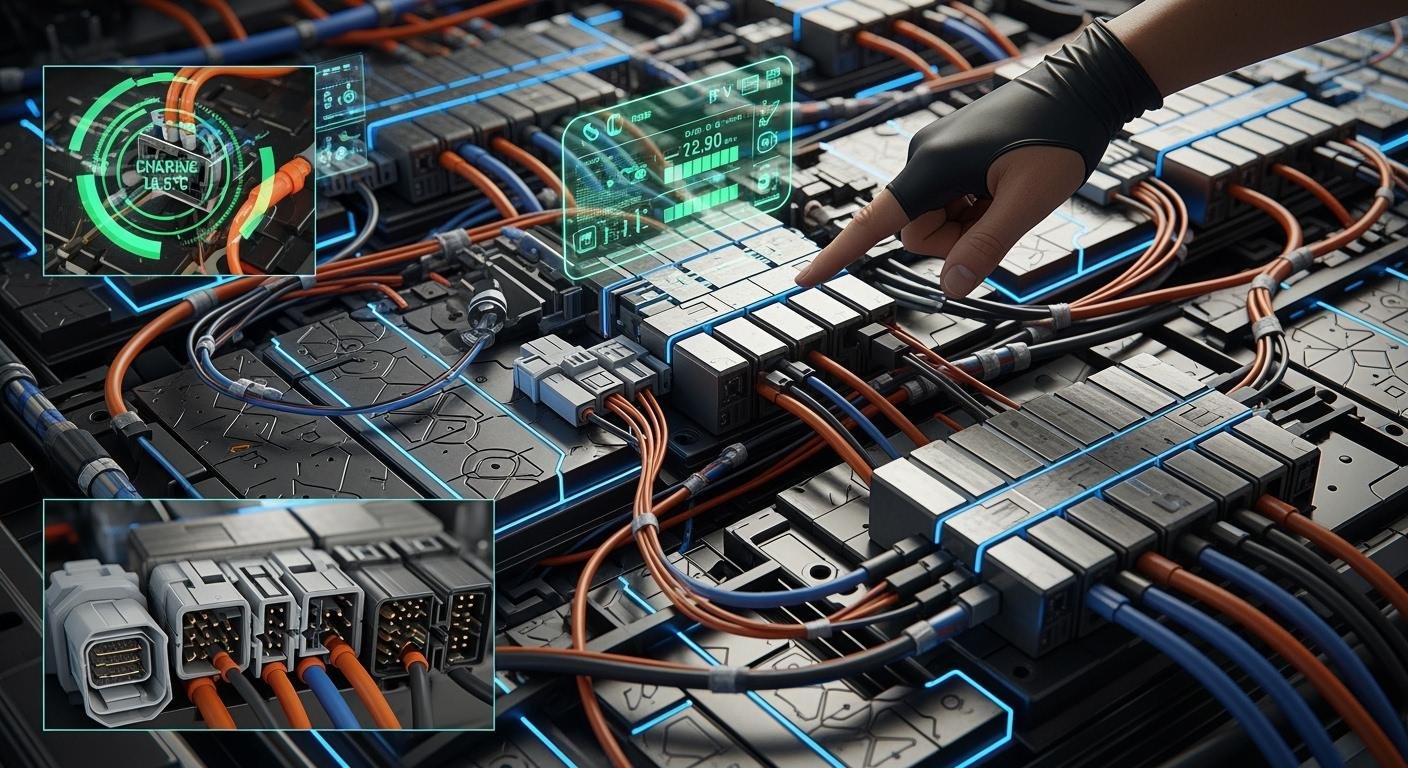
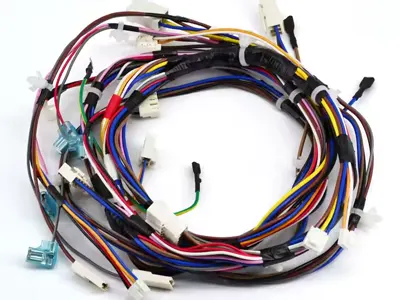
When you see an electric vehicle, you notice more than a battery and a motor. A wiring harness links all the main parts. It helps power and signals move safely and quickly.
Here is a simple look at what a wiring harness does in EV battery systems:
Feature | Description |
|---|---|
Definition | Wiring harnesses are groups of wires that connect important parts in electric vehicles. |
Role in Battery Systems | They help power and data move between batteries, motors, controllers, and charging systems. |
Safety Features | Made to handle high-voltage safely and protect electronics and sensors. |
You need the best quality, safety, and trust, especially with high-voltage systems. Yueqing Chengli Electronic Technology Co., Ltd. is a top maker with certifications like ISO 9001, IATF 16949, UL, and CE. You can ask for custom solutions that follow strict rules, like ISO 6722 and UL 758, for your electric vehicle projects.
Key Takeaways
Wiring harnesses link important parts in electric vehicles. They help power and signals move safely and well. – Pick wiring harnesses with tough insulation like XLPE. This keeps them safe from heat and protects people. – Check and take care of wiring harnesses often. This stops problems and keeps the vehicle working well. – Find wiring harnesses with certifications like ISO 9001 and IATF 16949. These show the harnesses are safe and good quality. – Learn about new ideas in wiring harness design. This can make vehicles work better and be more eco-friendly.
Wiring Harness Functions in EVs
A wiring harness does more than just connect wires. It links the battery, motor, controller, and other parts. This system handles both high-voltage and low-voltage jobs. High-voltage harnesses move power from the battery to the motor and charging system. Low-voltage harnesses carry signals so sensors and controllers can talk.
Safety Considerations
Safety is very important with electric vehicles. The wiring harness must handle high-voltage and high-current loads safely. It uses special materials and smart designs to protect you and your car. Cross-linked polyethylene (XLPE) insulation keeps wires safe from heat and fire. Silicone rubber and thermoplastic elastomer (TPE) help wires stay flexible and strong in tough places.
Material | Heat Resistance | Flexibility | Flame Retardancy | Notes |
|---|---|---|---|---|
XLPE | 125–150°C | Moderate | Excellent | Used for high-voltage wire harness insulation |
Silicone Rubber (SIR) | Up to 180°C | Excellent | Excellent | Good for high-temperature areas |
TPE | 125°C | Excellent | Good | Flexible and recyclable |
You should trust a wiring harness with the right certifications. Look for ISO 9001, IATF 16949, UL, and CE marks. These show the harness meets strict safety and quality rules. Yueqing Chengli Electronic Technology Co., Ltd. has all these certifications. The company uses advanced materials and follows international standards to keep you safe.
Efficiency and Reliability
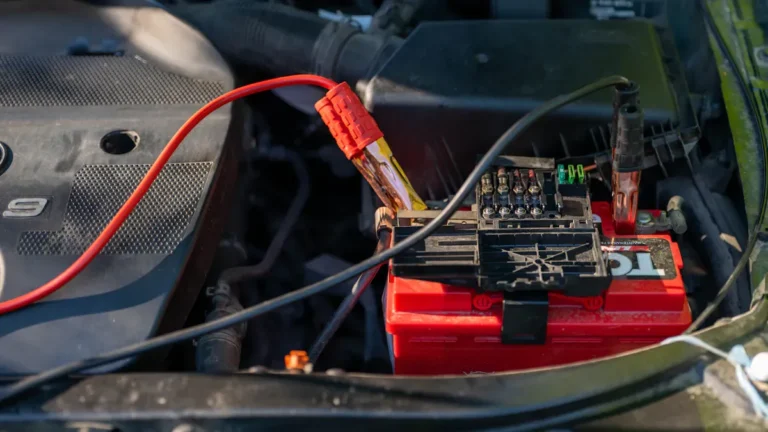
You want your electric vehicle to work every time you use it. The wiring harness helps make this happen. It acts as the main highway for power and signals in your car. It connects the battery to the motor and other systems. This makes sure everything gets the right power and information. The harness also has fuses and relays to protect against short circuits and overloads.
Modern wiring harnesses are very reliable. In electric vehicles, battery wiring harnesses have a reliability rate of 99.9% over 500,000 cycles. This high performance is important for lithium-ion battery systems. It means you get fewer problems and your vehicle lasts longer.
Yueqing Chengli Electronic Technology Co., Ltd. is a leader in the industry. The company has over ten years of experience. They work with big companies like BYD, Haier, and Panasonic. You benefit from their focus on quality and customer value. Their wiring harnesses work for both high-voltage and low-voltage systems. This gives you peace of mind when you drive.
Wiring Harness Components
When you look inside an electric vehicle, you see many parts. These parts work together to make the car run. Each part of the wiring harness has its own job. Let’s look at these main components.
High Voltage Cables and Connectors
High voltage cables are in every electric vehicle. These cables move power between the battery, motor, charger, and inverter. They work at voltages from 300V to 1,000V. This is much higher than in normal cars. The cables use XLPE insulation, which can handle up to 800 volts. XLPE also keeps the cables flexible and strong in small spaces. The connectors have copper mesh and extra layers. These layers can be aluminum foil, rubber, or TPU. They protect the cables from oil, heat, and scratches. The electromagnetic shielding in the connectors blocks signal noise. This keeps your system safe.
Tip: Pre-terminated connectors help you install faster and make fewer mistakes. This gives you a safer and more reliable wiring harness.
Low Voltage and Signal Harnesses
Low voltage and signal harnesses help sensors and controllers talk. These harnesses carry signals, not high power. They connect things like lights, displays, and control units. You need these harnesses for smooth communication in your electric vehicle. The wires are thin and flexible, so they fit in small spaces.
Fuses and Protection Devices
Fuses and protection devices keep your wiring harness safe. They stop too much current from hurting your battery or motor. Here is a table that shows how these devices protect your system:
Function | Description |
|---|---|
Overcurrent Protection | Guards against overcurrent and short circuits. |
Circuit Interruption | Fuse breaks to interrupt the circuit during faults. |
Equipment Protection | Shields EV chargers and battery systems from damage. |
Some electric vehicles use smart fuses. These fuses help save money and make your car go farther. They also help meet safety standards like ISO26262.
Sensors and BMS Connections
Sensors and Battery Management System (BMS) connections help you watch and control the battery. You find different types of connections in these systems. Here is a table to show the common types:
Connection Type | Pros | Cons |
|---|---|---|
Wire-to-Board | Flexible routing. | Complex assembly. |
FPC | Space-saving, automated assembly. | Rigid structure (less flexible). |
FFC | Cost-effective flat cable. | Lower durability than FPC. |
Sensors check temperature, voltage, and current. The BMS uses this information to keep your battery safe and working well.
You can see that each part of the wiring harness is important in your electric vehicle. The right materials and smart designs help you get a safe, reliable, and long-lasting system.
Wiring Harness Design and Installation
Voltage and Material Selection
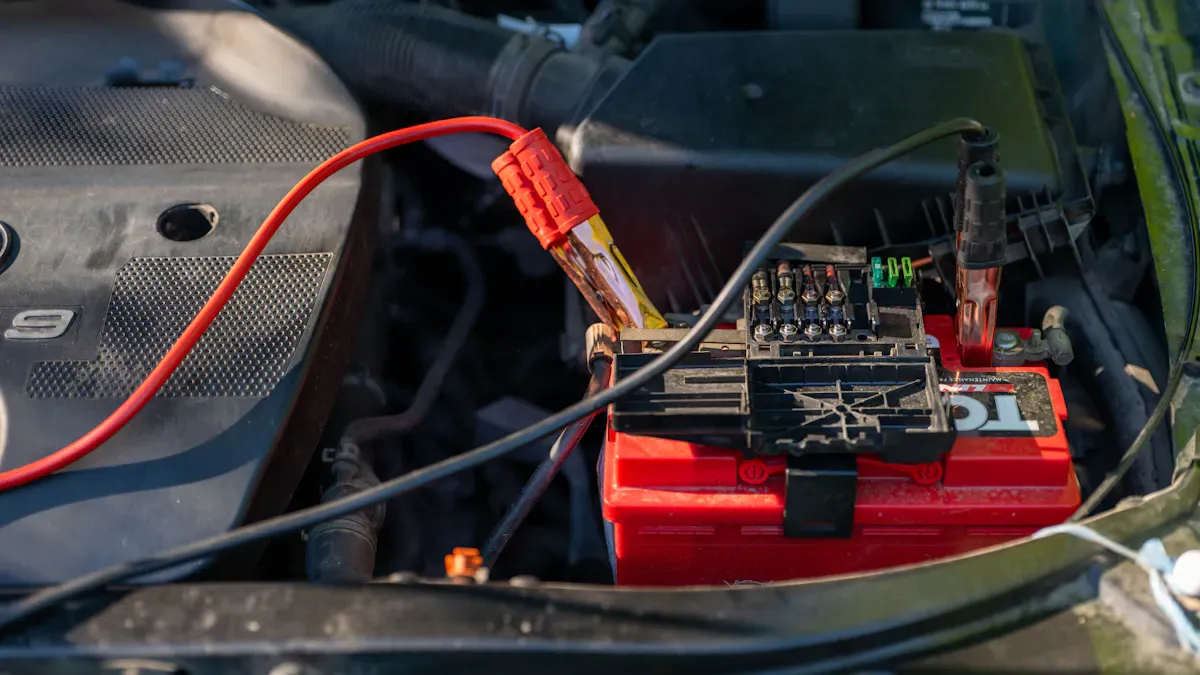
You have to pick the right voltage and materials for your electric vehicle. High-voltage systems need strong insulation to keep you safe. XLPE and silicone rubber are good for these jobs. Low-voltage wires use soft materials that fit in small spaces. You should check the battery system’s voltage before you choose the wire size and insulation. The space inside the car is important, so you need wires that bend easily and can handle heat.
Thermal and Mechanical Protection
Heat and shaking can hurt wires. You protect your wiring harness with heat-resistant materials and tough covers. XLPE insulation keeps wires safe from high heat. Silicone rubber makes wires flexible and strong. You use wire looms, tape, and shields to stop wires from rubbing or breaking. These steps help your electric vehicle last longer and stay safe.
Installation and Quality Checks
You must follow clear steps when you install a wiring harness. Here is an easy guide:
Take off the battery and put on safety gear.
Look at the wiring diagram and plan where wires will go.
Put in the fuse block and make sure all grounds are tight.
Connect power wires and check that connections are tight.
Bundle wires with loom, tape, and zip ties so they do not rub.
Put the battery back and test each circuit for voltage and flow.
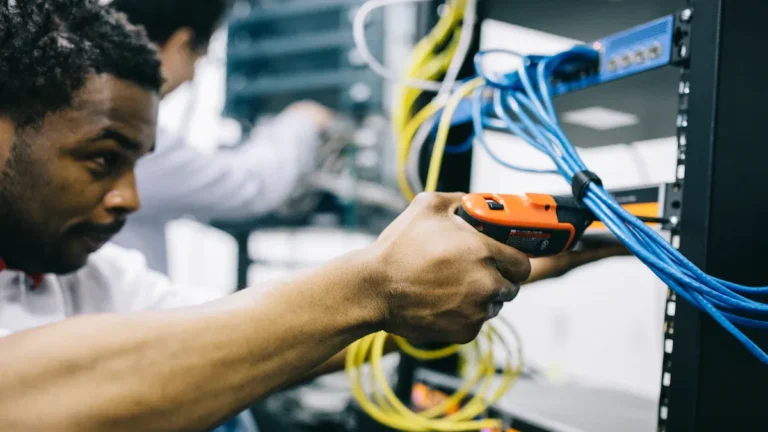
You check every connection to make sure it works right. Quality checks help you find problems early. You test for voltage, look for loose wires, and check the insulation.
Yueqing Chengli Electronic Technology Co., Ltd. gives custom solutions for many types of vehicles. The company follows OEM and international rules. You can see their experience in the table below:
Product Type | Minimum Order | Manufacturer | Years in Business | Rating |
|---|---|---|---|---|
Motorcycle Wiring Harness | 300 pieces | Yueqing Chengli Electronic Technology Co., Ltd. | 4 years | 4.9/5.0 |
You get products you can trust that fit your needs and follow strict rules. This helps your electric vehicle stay safe and work well.
Challenges and Best Practices
Electric vehicle battery systems have many problems. You must deal with heat, vibration, and electromagnetic interference (EMI). Good care and new ideas help your wiring harness last longer and work better.
Heat and Vibration Management
Heat and vibration can hurt your wiring harness. You can use heat-resistant materials like Polyimide (PI), Polytetrafluoroethylene (PTFE), or cross-linked polymers. These materials can handle high temperatures. You should keep wires away from hot parts and use thermal barriers. Connectors with anti-vibration features and strong covers help wires stay safe during bumps and shakes.
Tips for managing heat and vibration:
Use heat-resistant materials for wires and insulation.
Keep wires away from heat sources.
Add thermal barriers where needed.
Choose connectors with anti-vibration designs.
Electromagnetic Interference
Electric vehicles have many electronic systems. High currents make electromagnetic fields that can mess up signals. You can protect your wiring harness with advanced EMI shielding. Shielded harnesses keep signals clear for systems like the battery management system (BMS) and sensors. Strong insulation also helps block EMI and keeps wires safe in tough conditions. This shielding makes sure your vehicle’s systems talk to each other without errors.
Maintenance and Inspection
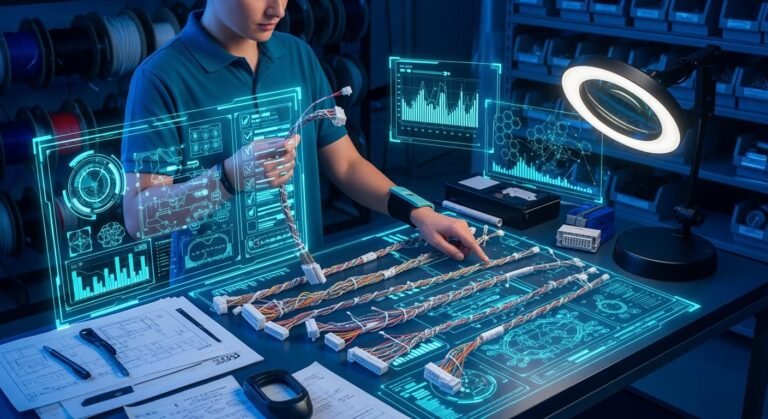
Regular checks keep your wiring harness safe and reliable. You can use automated visual inspection to find assembly mistakes. In-line functional testing checks for good connections, resistance, and insulation. Digital traceability records every step in the process, so you know each wire’s history.
Protocol Type | Description |
|---|---|
Automated Visual Inspection | Finds assembly mistakes with visual checks. |
In-line Functional Testing | Tests continuity, resistance, and insulation. |
Digital Traceability | Records every step in the manufacturing process. |
Trends in EV Wiring Harnesses
Wiring harness design keeps changing. New vehicle designs use centralized control units and zonal designs. These changes make wiring simpler and help power and data move faster. Zonal designs also cut weight and energy loss. You get better battery performance and a more sustainable vehicle. New high-voltage harnesses and lighter materials help electric vehicles go farther and last longer.
Wiring harnesses are very important in your electric vehicle battery system. They help power and signals move safely between all the main parts. You should pick harnesses with strong insulation. They must handle heat, shaking, and chemicals. You should find companies that give you:
Products that meet ISO 9001 and IATF 16949 rules
Designs that are light, strong, and good for the planet
Learn about new wiring harness technology. This helps your vehicle stay safe and work well.
FAQ
What does a wiring harness do in an EV battery system?
A wiring harness links the battery, motor, and other parts together. It lets power and signals move safely between them. This helps your electric vehicle run well every day.
How do you know if a wiring harness is safe?
You should look for certifications like ISO 9001, IATF 16949, UL, and CE. These marks mean the harness follows strict safety rules. Always ask your supplier to show proof.
Why do EV wiring harnesses use XLPE insulation?
XLPE insulation gives strong heat resistance and safety. It keeps wires safe from high heat and fire. This helps your electric vehicle stay safe on the road.
How often should you inspect your EV wiring harness?
You should check your wiring harness when you do regular car maintenance. Look for loose wires, damage, or any signs of wear. Early checks help you stop bigger problems.
Can you customize a wiring harness for your electric vehicle?
Yes, you can. Many companies, like Yueqing Chengli Electronic Technology Co., Ltd., make custom harnesses. You get solutions that fit your vehicle and follow international standards.