Die ultimative Checkliste für die Auditierung eines Kabelbaumherstellers
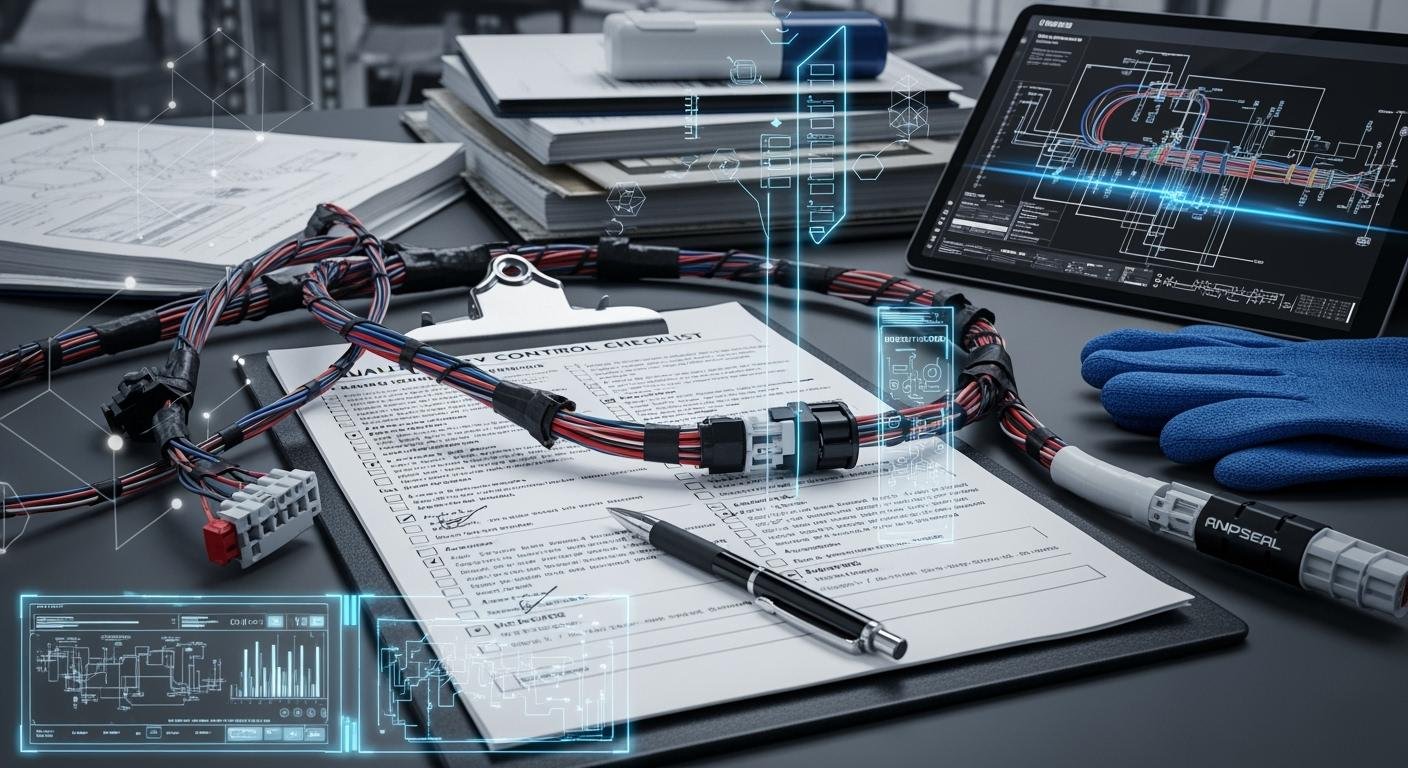
Bei der Bewertung von Kabelbaumherstellern, Ein solider Plan ist unerlässlich. Die ultimative Checkliste stellt sicher, dass Sie Produkte auf Sicherheit und hohe Qualität überprüfen. Das Überspringen von Schritten bei Audits kann zu Problemen oder Verstößen in Ihren elektrischen Systemen führen. Häufige Probleme sind: fehlende Zertifikate, unzureichender Papierkram, und nicht rückverfolgbare Materialien. Sie müssen kein Experte sein, um die ultimative Checkliste zu nutzen und Probleme frühzeitig zu erkennen. Yueqing Chengli Electronic Technology Co., Ltd. hält sehr hohe Standards für die Qualität und Konformität der Gurte ein.
Durch sorgfältige Audits sparen Sie Geld und tragen zum Erfolg Ihrer Projekte bei.
Key Takeaways
Verwenden Sie eine übersichtliche Checkliste, um sorgfältige Audits durchzuführen. Dies hilft Ihnen, Probleme frühzeitig zu erkennen. Es macht das Produkt auch besser.
Überprüfen Sie immer zuerst die Schaltpläne und Stücklisten. Dieser Schritt verhindert fehlende Teile und Konstruktionsfehler.
Schauen Sie sich an Lieferantenzertifizierungen wie IATF 16949 und ISO 9001. Diese zeigen, dass der Hersteller Sicherheits- und Qualitätsregeln befolgt.
Nutzen Sie starke Rückverfolgbarkeitssysteme. Dies hilft Ihnen, Probleme schnell zu finden. Es erleichtert auch Audits und stärkt das Vertrauen der Kunden.
Tun regelmäßige elektrische und mechanische Prüfungen an Geschirren. Diese Tests stellen sicher, dass Produkte sicher sind und gut funktionieren, bevor Kunden sie kaufen.
Warum Auditing wichtig ist
Risiken unvollständiger Prüfungen
Sie denken vielleicht, dass das Überspringen von Prüfschritten Zeit spart. Aber fehlende Schritte können große Probleme verursachen. Wenn Sie wichtige Schecks vergessen, Möglicherweise sehen Sie keine fehlerhaften Kabelbaumverbindungen. Sie könnten auch Teile übersehen, die nicht vorhanden sind. Dies kann dazu führen, dass elektrische Anlagen ausfallen oder unsicher werden. Wenn Sie kein vollständiges Audit durchführen, werden Sie fehlende Zertifikate möglicherweise nicht finden. Möglicherweise übersehen Sie auch minderwertige Materialien. Ohne eine klare Checkliste, Möglicherweise verwenden Sie Gurte, die nicht dem Standard entsprechen. Ihr Unternehmen könnte durch Rückrufe Geld verlieren oder seinen Ruf schädigen.
Tipp: Überprüfen Sie immer jeden Schritt in der ultimativen Checkliste, damit Sie später keine unerwarteten Probleme bekommen.
Vorteile einer strukturierten Checkliste
Eine strukturierte Checkliste hilft Ihnen, bei Audits den Überblick zu behalten. Sie können sicherstellen, dass jedes Kabelbaumteil Ihren Anforderungen entspricht. Wenn Sie eine Checkliste verwenden, Du:
Erkennen Sie langsame Stellen und wiederholte Schritte bei der Herstellung von Geschirren.
Helfen Sie den Teammitgliedern, ihre Aufgaben selbst in die Hand zu nehmen.
Bauen Sie einen Arbeitsplatz auf, an dem Menschen besser werden wollen.
Mit einer Checkliste für jedes Audit werden Sie weniger Fehler und bessere Ergebnisse sehen. Hier entlang, Sie erkennen Probleme frühzeitig und beheben sie schnell. Sie stellen außerdem sicher, dass Ihr Kabelbaumlieferant erstklassige Methoden der Branche anwendet. Unternehmen wie Yueqing Chengli Electronic Technology Co., Ltd. Verwenden Sie Checklisten, um Ihnen jedes Mal gute Produkte zu liefern.
Design-Checkliste
Sehen Sie sich die Schaltpläne an
Sie beginnen jedes Audit mit der Betrachtung der Schaltpläne. Diese Diagramme zeigen, wie Drähte in Kabel- und Kabelbäumen verbunden sind. Sie prüfen auf klare Pfade und korrekte Symbole. Sie ordnen die Diagramme dem tatsächlichen Kabelbaum zu. Sie stellen sicher, dass alles beim Alten ist. Sie prüfen, ob das Design wichtigen Standards entspricht. Hier ist eine Tabelle mit einigen Gruppen und ihre Regeln für die Überprüfung von Schaltplänen:
Standard/Organisation | Beschreibung |
|---|---|
Underwriters Laboratories (Ul) | Sicherheitsregeln für Nordamerika. |
Canadian Standards Association (CSA) | Regeln für Kabelbäume in Kanada. |
Internationale Kommission für Regeln zur Zulassung elektrischer Geräte (CEE) | Richtlinien für die Zulassung elektrischer Geräte. |
Internationale Elektrotechnische Kommission (IEC) | Internationale Regeln für Elektrotechnik. |
Europäisches Komitee für elektrische Normung (CENELEC) | Regeln für elektrische Geräte in Europa. |
IPC/WHMA-A-620 | Maßstab für die Kabelbaummontage in den USA. |
Stellen Sie sicher, dass die Schaltpläne diesen Regeln entsprechen. Sie überprüfen auch die Steckertypen, Drahtfarben, und wie gut die Dinge funktionieren. Dieser Schritt hilft Ihnen, Fehler frühzeitig bei der Kabel- und Kabelbaumkonstruktion zu erkennen.
Überprüfung der Stückliste
Nächste, Sie überprüfen die Stückliste. Diese Liste zeigt alle im Design verwendeten Teile. Stellen Sie sicher, dass jeder Draht vorhanden ist, Stecker, und ein Teil entspricht der Checkliste. Sie suchen nach fehlenden oder zusätzlichen Artikeln. Sie prüfen, ob die Materialien den richtigen Regeln entsprechen. Sie vergleichen die Rechnung mit den Schaltplänen und dem tatsächlichen Kabelbaum. Stellen Sie sicher, dass die Kabel- und Kabelbäume zugelassene Teile verwenden. Dieser Schritt hilft Ihnen, Probleme mit falschen oder fehlenden Teilen zu vermeiden.
Änderungsmanagementkontrollen
Sie benötigen starke Kontrollen für Designänderungen. Sie verfolgen jede Änderung am Kabel- und Kabelbaumdesign. Sie befolgen die besten Methoden, um Ihren Prozess reibungslos zu gestalten:
Beginnen Sie mit den erforderlichen Schritten für jede Änderung, So verfolgen Sie jeden Teil.
Legen Sie Workflows für Retouren fest, Reparaturen, Ersatz, und Rückerstattungen. Das macht es für alle klar.
Sammeln Sie Daten über Änderungen, Gründe, Mängel, und Kosten. Sie nutzen diese Daten, um Ihr Design und Ihre Produktion zu verbessern.
Sie führen Aufzeichnungen über alle Änderungen. Sie stellen sicher, dass bei jedem Update die Checkliste befolgt wird. Dies hilft Ihnen, Ihr Gurtzeug sicher und zuverlässig zu halten.
Tipp: Nutzen Sie immer die Design-Checkliste, um Fehler vor der Produktion zu finden.
Material & Komponenten-Checkliste
Lieferantenqualifizierung
Erste, Sie prüfen, ob Lieferanten strenge Regeln einhalten. Sie sehen, ob sie über die richtigen Zertifikate verfügen. Sie möchten, dass sie den Industriestandards entsprechen. Viele Unternehmen wollen IPC/WHMA-A-620-Zertifizierung. Dies bedeutet, dass Lieferanten über Kenntnisse in der Kabelbaummontage und Prozesssteuerung verfügen. Sie achten auch auf die Lötqualität und die Crimpfestigkeit. Sie stellen sicher, dass Sie jedes Teil nachverfolgen können. Sie fragen, ob der Lieferant neu ist oder jemanden ersetzt. Sie schauen sich alte Lieferanten an und warum Sie gewechselt haben. Sie fragen nach einem Gespräch mit ihnen, wie schnell sie arbeiten, und welche Qualität Sie erwarten. Diese Schritte helfen Ihnen, Kabelbaumprobleme zu vermeiden und den besten Lieferanten auszuwählen.
IPC/WHMA-A-620-Zertifizierung für Kabelbaumarbeiten
Lötqualität und Crimpintegrität
Prüfanforderungen und Rückverfolgbarkeit
Status eines Neu- oder Ersatzlieferanten
Gründe für einen Lieferantenwechsel
Kommunikation, Lieferzeiten, und Qualitätsansprüche
Materialinspektion
Sie prüfen Materialien, um Probleme zu finden, bevor Sie Produkte herstellen. Die Betrachtung von Teilen ist für die Qualitätskontrolle wichtig. Inspektoren prüfen die Isolierung auf Schnitte. Sie achten auf die Kabelgröße und darauf, ob die Anschlüsse richtig passen. Sie verwenden Maschinen und Checklisten, um Probleme zu erkennen. Die folgende Tabelle zeigt Häufige Kabelbaumprobleme, warum sie passieren, und wie man sie findet:
Defekt | Grundursache | Beste Erkennungsmethode |
|---|---|---|
Falsche Stiftposition | Menschlicher Fehler beim Einfügen | Automatisierter Durchgangstest |
Schlechter Crimp | Werkzeugverschleiß, falsche Einstellung | Querschnitt + Zugtest |
Beschädigte Isolierung | Handhabung, Routenführung, Strippen | Visuell + Hipot-Test |
Terminal nicht vollständig eingesetzt | Technische Integration | Visuell + Haltekrafttest |
Falscher Draht | Materialverwechslung | Automatisierte Kontinuität + visuell |
Fehlende Komponente | Menschliches Versagen | Checkliste für die Sichtprüfung |
Sie befolgen diese Schritte, um Regeln einzuhalten und die Qualität hoch zu halten. Außerdem prüfen Sie die Kontinuität und führen Erstmusterprüfungen durch. Diese Maßnahmen helfen Ihnen, Probleme frühzeitig zu erkennen und Mängel zu verhindern.
Komponentenzertifizierung
Sie prüfen, ob jedes Teil den Sicherheits- und Qualitätsvorschriften entspricht. Du suchst Zertifikate wie RoHS, ERREICHEN, Ul, Und was. Diese Showmaterialien sind sicher und entsprechen den Gesetzen. Sie prüfen auch nach wasserdichte und feuerfeste Zertifikate. Für Autokabelbäume, Du willst ISO 9001 und IATF16949. In der folgenden Tabelle sind gängige Standards und deren Einsatzorte aufgeführt:
Standard / Zertifizierung | Region / Umfang | Notizen |
|---|---|---|
Ul (z.B. Ul 758) | USA | US-Sicherheitsstandard für die Geräteverkabelung |
CSA (z.B. C22.2) | Kanada | Kanadischer Standard, wird oft als „cUL“-Zeichen angesehen |
CE-Kennzeichnung | EU/EWR | Obligatorisch für EU-Sicherheitsrichtlinien |
UND IEC 60335-1 | International / EU | Sicherheit der Geräteverkabelung |
VDE (DIN VDE) | Deutschland / EU | Deutscher elektrotechnischer Standard |
RoHS (2011/65/EU) | EU | Beschränkt gefährliche Stoffe |
IPC/WHMA-A-620 | International | Kabelbaumbaugruppe Qualität |
ISO 9001 | International | Qualitätsmanagementsystem |
Mithilfe der Checkliste stellen Sie sicher, dass jede Regel erfüllt ist. This helps you stop defects and makes sure your harness is high quality.
Production Process Checklist
Assembly Procedures
You begin by checking how workers build wire harnesses. Workers need clear steps to follow. The checklist helps you find missing or unclear directions. Here is a usual order for making strong harnesses:
Decide if each harness is good or bad.
Do hands-on work like wire cutting and crimping.
Pick strong materials and good ways to build.
You see if workers use machines to cut and strip wires. You check if they fix crimping tools often. Wires should be tied and routed neatly. Soldering must follow J-STD-001 Regeln. Every harness gets checked and tested before it leaves the factory.
Tipp: Always use the checklist for each step to get better harnesses and fewer mistakes.
Operator Training
You look at how workers learn to make wire harnesses. Training programs like IPC/WHMA-A-620 teach workers the right way. You check if workers know how to use tools and read guides. Many companies have classes for different jobs. These classes help workers know what materials and steps to use. When workers finish training, they get certificates to show their skills. This helps stop mistakes and makes work faster.
Training follows industry rules.
Workers learn to use quality steps.
Certificates show their skills in making harnesses.
Process Controls
You check how the team controls each part of making harnesses. Good controls help stop mistakes and keep work smooth. You look for a checklist for checking harnesses. You see if the team trains quality control workers often. Many companies use numbers and charts to find problems early. You check if they watch things like temperature and humidity. These controls help find problems before harnesses go to customers.
Control Method | Zweck |
|---|---|
Inspection checklist | Keeps harnesses made the same way |
QC personnel training | Helps find mistakes faster |
Statistical process control | Watches for problems in making harnesses |
You use these controls to make sure harnesses are safe and work well.
Wire Harness Testing
Wire harness testing is a very important part of your audit. You need to make sure each harness works safely. It must meet all electrical rules. You use different tests to check if the wire harness is strong. These tests show if each product is ready to use. Top-Unternehmen wie Yueqing Chengli Electronic Technology Co., Ltd. use special wire harness testing. This helps them make sure their products are good and reliable.
Electrical Testing Protocols
You begin with electrical testing. This step checks if the harness can carry electricity and stay safe. You use different ways to test each harness. The table below shows common electrical tests and what they do:
Testing Method | Zweck |
|---|---|
Confirms that all circuits are complete. | |
Kurzschlussprüfung | Detects unintended contact between conductors. |
Hochspannung (Hi-Pot) Testen | Checks insulation integrity, especially in high-voltage applications. |
Resistance Testing | Checks joint quality and bonding between components. |
Kontakttests | Confirms connectors function under voltage and current loads. |
Impedance Testing | Measures impedance for consistent signal transmission. |
Continuity testing makes sure every wire connects the right way. High-voltage testing, or Hi-Pot, checks the insulation. It finds shorts between wires or to the ground. These tests help you find problems that normal voltage might miss. You also use resistance and contact testing. These check if joints and connectors work well. Impedance testing helps you see if signals move the same way every time.
Electrical performance testing checks if the harness meets the design. Insulation resistance testing shows how well the harness stops leaks. Contact resistance testing checks the resistance at connector ends. Each test helps you make sure the harness is safe and strong.
Mechanical Testing Methods
Mechanical testing checks if the harness is strong and tough. You want to know if it can bend, ziehen, and shake without breaking. The table below lists common mechanical tests, what they do, tools used, and how often to do them:
Testing Method | Zweck | Verwendete Werkzeuge | Recommended Frequency |
|---|---|---|---|
Mechanical Fatigue Testing | Evaluate durability under mechanical stress. | Vibration testing bench, bending tester | Every two years based on usage environment |
Tensile Testing | Assess performance under tension. | Tensile testing instrument | Every two years based on usage environment |
Bending Testing | Evaluate durability under frequent bending. | Bending tester | Every two years based on usage environment |
Assess mechanical integrity of wire connections. | Specialized equipment | As needed based on application |
Pull force testing checks how hard it is to pull the wire out. This test shows if the harness is strong. It follows rules like IPC/WHMA-A-620, USCAR-21, and SAE AS7928. Each wire size has a minimum pull value you must reach. Crimp cross-section testing checks how much the crimp is squeezed. It should be between 17% Und 24%. You use your eyes and check your tools to keep crimp quality high.
Visual Inspection Steps
Visual inspection is the last check before shipping. You look for things you can see that are wrong. You make sure every harness follows the best ways to build wire harnesses. Here are the main steps you follow:
Look for insulation that is damaged.
Check for crimps that are not right.
Make sure no wires are showing.
Look at wires and connectors to see if they are strong.
Check the protective cover.
Make sure wires are labeled, bundled, and routed right.
You use a magnifier to see small problems. You also check if labels are correct. This makes sure every wire and terminal has the right name. This step helps you meet customer needs and follow IPC/WHMA-A-620 rules.
Quality Assurance in Harness Testing
Quality assurance means you follow strict steps to check every harness. You use a Manufacturing Execution System (Mes) to scan barcodes on wires and terminals. The MES makes sure you do crimp height and pull tests. It also keeps track of tool care. Each wire bundle gets a special code so you can trace it.
You check all labels and marks. You make sure every harness meets what the customer wants. Yueqing Chengli Electronic Technology Co., Ltd. uses these systems to give you good products. You can trust their wire harness testing to meet top standards for safety and quality.
Tipp: Always use a full wire harness testing checklist. This helps you find problems early and give safe, good harnesses every time.
Zertifizierungen & Einhaltung
Branchenstandards (Iatf 16949, ISO 9001, Ul, CE)
You should check if your wire harness maker has important certifications. These show the company cares about safety and quality. If you see Iatf 16949 und ISO 9001, it means they use strong quality checks. Iatf 16949 is for car parts and helps keep things the same every time. ISO 9001 is for quality in all kinds of businesses. UL and CE marks mean products are safe in the U.S. and Europe. You should also look for IPC/WHMA-A-620. This standard is key for wire harnesses. It means the company builds harnesses carefully and the same way each time.
Iatf 16949: For car part quality
ISO 9001: For general quality
Ul: U.S. safety mark
CE: European safety mark
IPC/WHMA-A-620: For wire harness quality
Yueqing Chengli Electronic Technology Co., Ltd. has these certifications. You can trust their wire harnesses to work well and last long.
Environmental Compliance (RoHS, ERREICHEN)
You need to make sure your wire harnesses are safe for people and nature. RoHS and REACH are two big rules. RoHS stops dangerous stuff from being used in wires. REACH checks for chemicals that can hurt people or the earth. The table below shows what each rule does:
Regulation | Anforderungen | Restricted Substances |
|---|---|---|
RoHS | Must follow RoHS rules and get RoHS 3 Zertifikat | Lead, Cadmium, Mercury, Hexavalent chromium, PBB, PBDE, DEHP, BBP, DBP, DIBP |
ERREICHEN | Check all materials for safety and watch SVHCs | Reproductive toxins, Mutagens, Carcinogens, Bioaccumulative chemicals, Persistent chemicals, Toxic chemicals |
Yueqing Chengli uses safe materials that follow these rules. Picking their harnesses helps keep the planet clean.
Rückverfolgbarkeit & Dokumentation
You need to be able to track every wire and part in your harness. Good tracking helps you find problems quickly. Top companies write down batch codes in their systems. They keep records for every step, from making to checking. Digital systems help you search and check information fast. You can see which worker made each harness and what materials they used. This keeps your supply chain safe and helps with audits.
Tipp: Always ask your wire harness supplier for full records and tracking reports.
Beschriftung & Packaging Checklist
Label Accuracy
You have to check every label on your wire harness. Labels help you put in and fix products easily. Each wire should say what it does and where it goes. This makes your job quicker and safer. You must follow rules like Ul, IPC/WHMA-A-620, ISO 9001, RoHS, und REACH. These rules make sure you follow the law and keep things safe. Picking the right way to label is important. The label should fit the harness size and how it will be used. Strong and clear labels last longer and are easy to read.
Labels need to meet safety and quality rules.
Every wire should have a label for its job and where it ends.
Pick labels that fit well and are easy to see.
Tipp: Always check labels twice before you send out harnesses. This helps stop mistakes and confusion when people install them.
Packaging Protection
You want your harness to get to you safe and not broken. Good packaging keeps wires and connectors in good shape. You can use trays or boxes made just for your harness. These stop the harness from moving around. Wrapping with bubble wrap or foam protects against bumps. Strong boxes help keep harnesses safe when shipping. Palletization lets you move and store many harnesses together. The table below shows ways to pack harnesses and why they are good:
Packaging Method | Beschreibung |
|---|---|
Custom-fit packaging | Stops harnesses from moving by using special trays or boxes. |
Protective wrapping | Uses bubble wrap, foam, or plastic to protect harnesses. |
Reinforced boxes | Makes boxes stronger for shipping. |
Palletization | Groups harnesses together for easy storage or moving. |
Notiz: Strong packaging keeps harnesses safe and saves money because you get fewer returns.
Traceability Systems
You need a way to track each harness from start to finish. Tracking helps you find problems fast and helps if you need to recall products. It also makes audits easier and helps customers trust you. The table below shows how tracking systems help you:
Nutzen | Beschreibung |
|---|---|
Confidence in validated material | Makes sure harnesses in products are good and reliable. |
Simplified audits | Makes it faster to check and approve products. |
Clear traceability | Helps manage risks and makes recalls easier. |
Fewer post-sale failures | Lowers problems after selling and builds customer trust. |
Tipp: Use digital tools to keep track of harnesses and make records easy to find.
Installation & Service
Installation Instructions
You need easy steps to put in wire harnesses safely. Erste, get the right tools. You will need wire strippers, crimping tools, Anschlüsse, and testers. Plan your work area before you start. Sort wires by what they do and their voltage. This helps stop wires from causing problems with each other. Follow these steps for a good installation:
Get your work area ready and look for anything unsafe.
Use wire strippers to take off the wire’s cover.
Use the right tool to crimp connectors on wire ends.
Hold wires in place so they do not move around.
Put wires where you can reach them and do not let them cross.
Add strain relief parts to keep wires safe from pulling.
Test every connection with your tester to find problems.
Fix common problems like loose wires or signal issues.
Keep wires apart and use strain relief so the harness lasts longer.
Service Documentation
You need clear papers to fix and care for wire harnesses. Manuals should have diagrams, lists of parts, and simple steps. These papers help you find and fix problems fast. You can see where each wire goes and what each connector does. Write down repairs and changes you make. Update your manuals when you make things better. This makes fixing things easier next time.
Tipp: Keep your service papers in a safe spot. You can use computer files to find them quickly.
Customer Support
You should get good help from your supplier. Good help lets you fix problems fast. Find a team that answers your questions and gives you tips. You can ask for help with putting in harnesses or fixing them. Good suppliers teach you and help with service papers. They listen to what you say and try to make things better. You get better results when you have help you can trust.
Notiz: Yueqing Chengli Electronic Technology Co., Ltd. gives expert help for all your wire harness needs.
Using the ultimate checklist makes harness audits better. When you follow the same steps, you find problems early. You can compare your work to top companies like Yueqing Chengli Electronic Technology Co., Ltd. Put the checklist in your supplier checks for good results. Change each step so it works for your business.
Always check everything in each audit
Make sure harnesses are safe and people trust them
FAQ
What should you check first when auditing a wire harness manufacturer?
Begin by looking at wiring diagrams and the bill of materials. These steps help you find missing parts or mistakes early. You can stop problems before making the harness.
How do you know if a wire harness meets quality standards?
Suchen Sie nach certifications like IATF 16949, ISO 9001, Ul, Und was. These show the manufacturer follows important rules. Harnesses with these marks are safe and work well.
Why is traceability important in wire harness audits?
Traceability helps you follow every wire and part. You can find problems fast and handle recalls. Good records make audits simple and help customers trust you.
What tests should you expect during wire harness inspection?
You should see electrical tests like continuity and high-voltage checks. Mechanical tests include pull force and crimp cross-section. Visual checks find damage or label mistakes.