自動車用途向けのカスタム ワイヤリング ハーネス (完全ガイド)
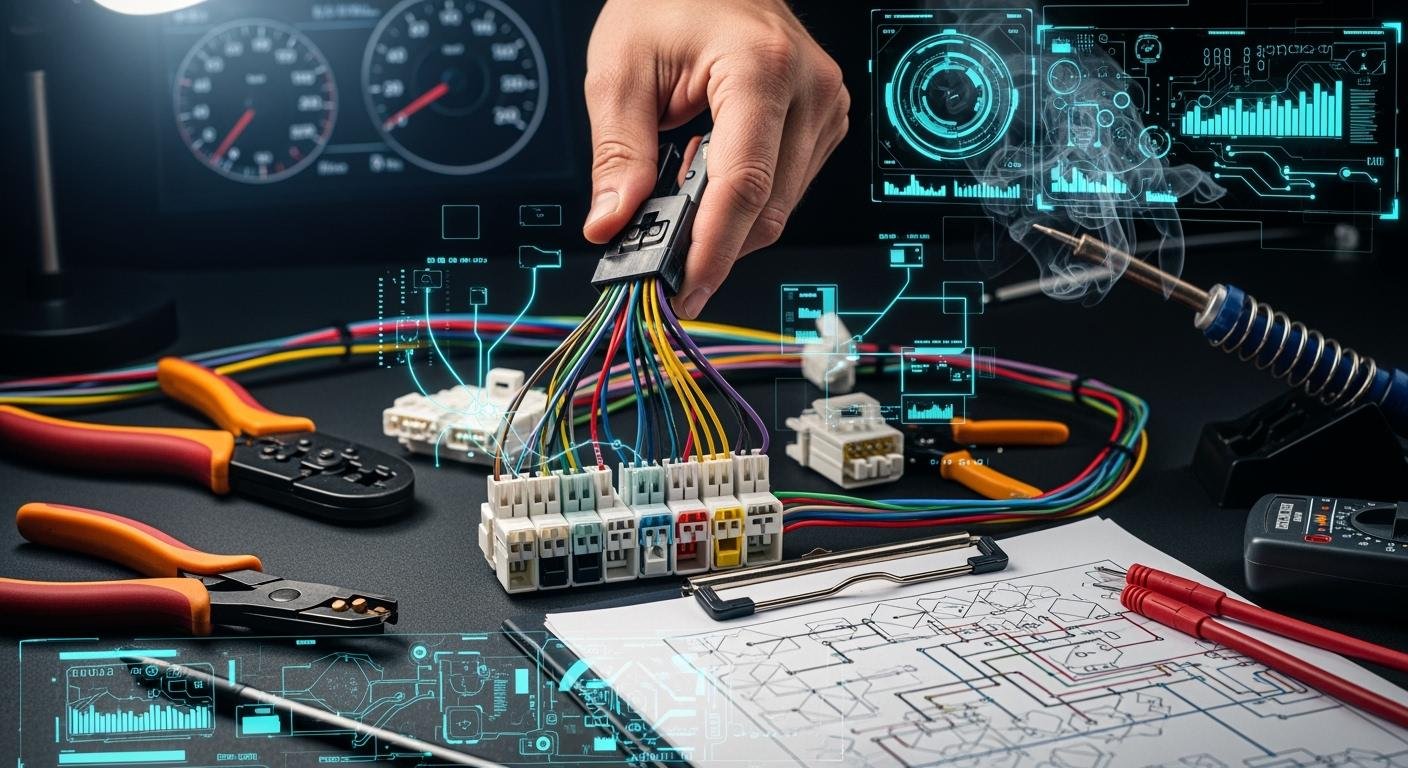
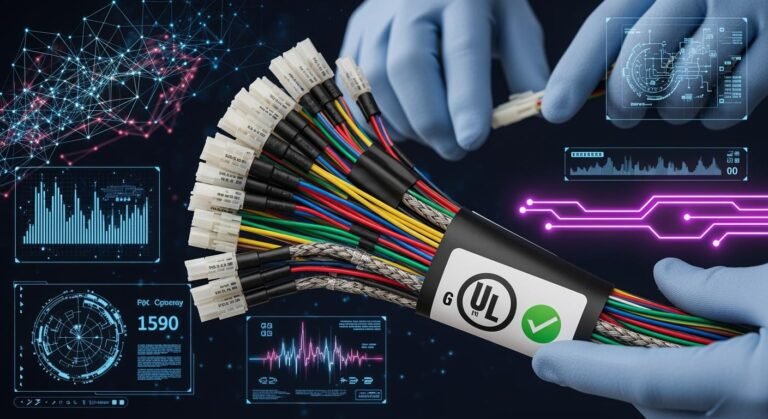
カスタム ワイヤリング ハーネスを使用して車の電気部品をリンクします。. このシステムは各主要部分に電力と信号を与えます。. 新しい車には、適切に機能し、非常に信頼性の高い配線が必要です. テクノロジーは急速に変化します, したがって、配線を維持する必要があります. ハーネスを選ぶときは, 優れた認証と豊富な経験を持つメーカーを見つける. 多くのトップメーカーが次のような認定を取得しています。 ISO 9001, IATF 16949, ULエンタープライズ, とISO 14001. これらの認証は、品質と安全性を重視していることを証明しています.
認証 | 説明 |
|---|---|
ISO 9001 | 品質マネジメントシステム認証, 企業が顧客のニーズを満たしていることを示す. |
IATF 16949 | 品質管理と生産に関する自動車業界の標準. |
ULエンタープライズ | 厳格なUL安全規格に準拠. |
ISO 14001 | 環境マネジメントシステム認証, 環境配慮をサポートする. |
重要なポイント
a カスタムワイヤーハーネス 車の機能を向上させ、長持ちさせるのに役立ちます. これは、各部品に適切な材料とワイヤサイズを使用することで実現されます。.
メーカーを選ぶ ISOなどの認証を取得している 9001 とIATF 16949. これにより、ワイヤーハーネスが安全で高品質であることが保証されます。.
ワイヤーハーネスに損傷や接続の緩みがないか頻繁に確認してください. これにより電気的な問題が防止され、安全が確保されます.
ハーネスを作成する前に、デザインを計画して書き留めます. これにより、間違いを回避し、後での修復が容易になります.
ワイヤーハーネスのモジュラー設計により、アップグレードと修理が簡単になります. これにより、必要なときに車の電気システムを変更できます.
カスタム ワイヤリング ハーネスの利点
パフォーマンスと信頼性
カスタム ワイヤリング ハーネスは、車の動作を改善し、信頼性を維持するのに役立ちます. ハーネスはあなたの車のニーズに合わせて作られています. 各ワイヤとコネクタは適切な用途に合わせて選択されます. これにより、ワイヤーが熱くなりすぎたり、電力が失われたりするなどの問題が防止されます。. ハーネスは回路ごとに正しいワイヤ サイズを使用します。.
ここに表があります カスタム ワイヤリング ハーネスが車にどのように役立つかを示しています:
改善タイプ | 説明 |
|---|---|
より良いワイヤサイジング | 各回路に適切なワイヤサイズが使用されます. これにより電気的な問題が回避されます. |
乱雑さを軽減 | ワイヤーが整理されている, エンジン周りがすっきりして作業しやすいです. |
耐久性の向上 | TXL ワイヤーのような優れた素材は熱に耐え、長持ちします。. |
カスタマイズされた接続 | コネクタとジョイントは車のシステムに合わせて作られています. これにより接続が強化されます. |
保護機能 | スリーブとコンジットがワイヤーを熱や損傷から保護します. |
信頼できる カスタムワイヤーハーネス 認定企業からの. Yueqing Chengli Electronic Technology Co. のような企業, Ltd. ISOなどの厳格なルールに従う 9001 とIATF 16949. これらの規則は、会社が品質と安全性を重視していることを示しています. 経験豊富なメーカーのハーネスを選ぶなら, うまく機能し、長持ちする製品が得られます.
カスタマイズと柔軟性
カスタムワイヤーハーネスにより、車のセットアップに合わせることができます. 最適な素材をお選びいただけます, ワイヤーの長さ, とコネクタ. これは重量を節約するのに役立ちます, 燃料の使用量を減らす, インストールが簡単になります.
自動車用ワイヤーハーネスをカスタマイズする一般的な方法をいくつか紹介します。:
カスタマイズオプション | 説明 |
|---|---|
重さ | ハーネスを軽量化すると、車の速度が上がり、燃料の使用量が減ります. 素材とケーブルの長さを選択して軽量化できます. |
構造・材質 | 銅線またはアルミニウム線を選択できます. 圧着は強力な接続のために使用されます. |
耐久性 | 断熱タイプは次のとおりです PVC および XLPE ワイヤーを熱や厳しい条件から守ります. |
安全性 | テスト機能と保護機能により、車を電気的危険から守ります。. |
デザイン・レイアウト | ワイヤーの最適な配線方法を計画できます, 設置をより安全かつ簡単に. |
カスタムワイヤーハーネスを使用する場合, 法律や業界のルールを満たすことができます. あなたの車にぴったりフィットするハーネスも入手できます. Yueqing Chengli は多くの選択肢を提供し、お客様のニーズに合わせて高度な素材を使用しています.
メンテナンスとトラブルシューティング
カスタムワイヤーハーネスにより、車の電気システムの手入れが簡単になります. ハーネスはきちんとラベルが貼られています, 問題をすぐに見つけることができるように. 何か問題が発生した場合, シンプルなツールを使用して問題を確認できます.
問題を見つけて解決するための良い方法をいくつか紹介します:
回路の導通テスト. マルチメーターを使用して、ワイヤーが切れていないか、接続が弱っていないかを確認します。.
短絡を探す. 電源を入れる前に点間の抵抗を測定してショートを検出します.
電源とアースを確認してください. 電圧降下テストを実行して、電源線またはアース線に隠れた抵抗を見つけます。.
コネクタとピン配列を確認する. 各コネクタを配線図と比較し、マルチメーターを使用して接続が正しいことを確認します。.
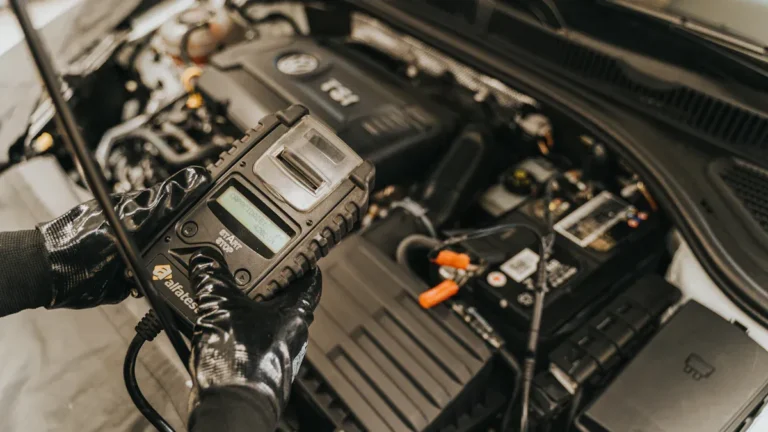
マルチメーターや導通テスターなどのツールを使用してハーネスをチェックできます. 一部の企業, 楽清成麗のように, 高度なテストシステムを使用して、すべてのハーネスが工場から出荷される前に機能することを確認します. この慎重なチェックにより、問題を回避し、車を良好に走行させることができます。.
ヒント: カスタム ワイヤリング ハーネスを頻繁にチェックしてテストします. これにより、ほとんどの電気的問題が深刻になる前に阻止できます。.
自動車用ワイヤーハーネスの種類
あなたの車に適したワイヤーハーネスを選択する必要があります. 各ハーネスには独自の役割があります. 一流企業は多くの製品を作っています さまざまな車のシステム用のカスタムハーネス. これはあなたの車に最適なハーネスを見つけるのに役立ちます.
エンジンハーネス
エンジン主要部品を結合するエンジンハーネス. センサーを接続します, 燃料インジェクター, とイグニッションコイル. これらのハーネスは熱にさらされています, 震える, そして油. メーカーはポリイミドや PTFE などの強力な素材を使用しています. これにより、ハーネスが硬い場所でもうまく機能し続けます.
ヒント: ハーネスに明確なラベルが付いているかどうかを確認してください. これにより、インストールと修正が簡単になります.
ライティングハーネス
ライティングハーネスは車のライトに電力を供給します. ヘッドライトに必要です, テールライト, そして室内灯. 優れたハーネスは標準部品を使用します. これにより、部品の修理や交換が簡単になります. 明確なガイドにより、各ワイヤとコネクタを理解するのに役立ちます.
照明ハーネスは多くの場合モジュール設計になっています. すべてを変更せずにパーツを交換またはアップグレードできます.
オーディオとインフォテインメント
オーディオおよびインフォテインメント ハーネスがスピーカーをリンク, ラジオ, とスクリーン. これらを使用して音楽を聴いたり、道順を調べたりします. 優れた素材によりクリアなサウンドと強力な接続を実現. メーカーは賢い購入と材料を使用してコストを節約し、品質を高く保ちます.
側面 | 説明 |
|---|---|
標準化されたコンポーネント | 部品が入手しやすいため、修理やアップグレードが簡単になります. |
高品質の素材 | テスト済みの素材は長持ちし、うまく機能します. |
明確なラベルと文書 | ラベルとガイドは、設置や修理に役立ちます. |
モジュラー設計 | 部品の交換や修正がより簡単に行えます. |
耐熱材料 | これらの材料は高温の場所でも機能し続けます. |
コストパフォーマンスのバランス |
センサーとデータハーネス
センサーとデータ ハーネスはセンサーを制御ユニットに接続します. 安全のためにこれらが必要です, エンジン制御, そして新機能. ラベルとモジュール設計により、修正とアップグレードを迅速に行うことができます. メーカーは厳しい規則を満たすためにこれらのハーネスをテストします.
これらのシステムのいずれかにカスタム ワイヤリング ハーネスを使用できます. これにより、車に柔軟性と信頼性の両方が与えられます.
ハーネス用の材料と工具
を選ぶ 適切な材料とツール とても重要です. 安全で長持ちするワイヤーハーネスの構築に役立ちます。. 良いものを使う必要がある, 認定部品. これにより、車の電気システムが正常に動作することが確認されます. Yueqing Chengli Electronic Technology Co. のような企業, Ltd. 先進的な素材を使用する. ISOなどの厳格なルールにも準拠しています。 9001 とIATF 16949.
ワイヤーの種類とゲージ
ジョブごとに適切なワイヤの種類とゲージを選択する必要があります. この選択は、ワイヤーが処理できる電力量に影響します。. 動作の良さにも影響します. 以下の表は、いくつかの一般的なワイヤー ゲージとその用途を示しています。:
ワイヤーゲージ | 説明 | 電流定格 | 応用 |
|---|---|---|---|
10 AWG | 太いワイヤーでハイパワーを実現 | オルタネータ, 主電源回路 | |
14 AWG | 照明用中線 | 10-20 アンプ | ヘッドライト, テールライト |
18 AWG | センサー用細線 | 3-7 アンプ | センサー, 小さな回路 |
20 AWG | 小規模回路 (ホーン, ライト) | 低電流 | 角, インジケーターライト |
TXL | レーシングアプリケーション | 高アンペア数 | 高性能車両 |
XL | 一般的な自動車用途 | 適度 | 標準的な自動車システム |
太いワイヤーはより多くの電気を運ぶことができます. 電圧の低下を防ぐのにも役立ちます. 細いワイヤは電力をあまり必要としない回路に最適です.
コネクタと端子
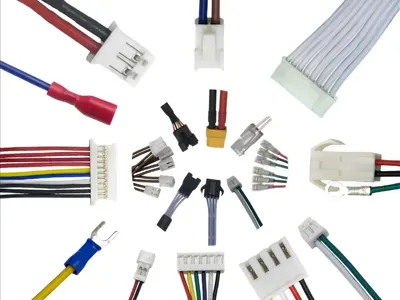
必要です 強力なコネクタと端子 良好な接続のために. UL 486A/B および UL に適合するコネクタを探してください。 758 基準. 揺れにも強く錆びにくいコネクタです。. 端子はしっかりと嵌合する必要があります. 電気がよく流れるように、真鍮または銅で作られている必要があります。. 端子の取り付けには圧着またははんだ付けを使用できます.
組立用工具
カスタムワイヤーハーネスを組み立てるには特別なツールが必要です. 必要なツールをいくつか紹介します:
ワイヤーカッターとストリッパーはワイヤーの準備に役立ちます.
圧着工具で端子をしっかりと固定.
はんだごてはワイヤを結合して強力な接続を実現します.
ラベル付けツールを使用すると、ワイヤにマークを付けて、それぞれの機能を把握できます.
適切なツールを使用すると間違いを避けることができます. また、あらゆる接続を安全に保ちます.
安全装置および試験装置
試験装置はハーネスが安全かどうか、正常に機能するかどうかをチェックします. これらのツールを使用する必要があります:
導通テスターは断線の発見に役立ちます.
絶縁抵抗計で漏れがないかチェック.
高いポテンシャル (ハイポット) テスターはハーネスが高電圧で安全であることを確認します.
引っ張りテストと振動テストでハーネスが強いかどうかを確認します.
熱サイクルや塩水噴霧などの環境テストにより、過酷な場所でも耐久性があるかどうかを確認します.
IPC/WHMA-A-620 などのルールに従う必要があります。, ISO 9001, とIATF 16949. これらのテストにより、ハーネスがどこでも安全であることが確認されます.
ヒント: カスタム ワイヤリング ハーネスを車に取り付ける前に必ずテストしてください。. これにより、電気的な問題を防ぎ、車を安全に保ちます。.
カスタムワイヤーハーネスの設計
を設計する カスタムワイヤーハーネス 綿密な計画と細部への配慮が必要です. あらゆるステップについて考える必要がある, 最初のスケッチから最終的な図まで. このプロセスは、車両に適合し、安全に機能するハーネスを構築するのに役立ちます。.
計画と回路図
ワイヤーハーネスを計画することから始めます. 車に何が必要かを考える. 接続したいすべての電気部品のリストを作成します. これらにはライトが含まれる場合があります, センサー, オーディオシステム, またはエンジン制御.
簡単な回路図を描く. この図は各部分がどのように接続されているかを示しています. スイッチに記号を使用する, ワイヤー, とコネクタ. 優れた回路図は、構築を開始する前にシステム全体を把握するのに役立ちます。.
ヒント: 色鉛筆やマーカーを使用してさまざまな回路を表示します. これにより、回路図が読みやすくなります.
計画を立てるとき, 後で間違いを避けることができます. 何かを切断する前に、不足している接続や余分なワイヤを見つけることができます. 慎重に計画を立てることで時間とお金を節約できます.
測定とルーティング
次, ハーネスが入る車内のスペースを測定します. 巻尺を使用して各部分間の距離を確認してください. すべての測定値を書き留めます. 曲がりや曲がりのために少し長さを追加してください.
正確な測定 スマートなルーティングによりハーネスが安全かつ効率的になります. その理由は次のとおりです:
電気的故障のリスクを軽減します, あなたの車をより安全に保ちます.
適切なルーティングにより電力損失が軽減され、信号が強力に維持されます。.
正確な測定により、あらゆるコネクタの適合が容易になります, ワイヤーが緩んだりきつくなったりしないようにするため.
最良の結果を得るには、次の手順に従ってください:
急な曲がりを避けるためにワイヤー経路を計画する, 引っ張る, またはねじる. これでワイヤーが切れるのを防ぐことができます.
ワイヤーの長さが曲げや曲線に十分な長さを含んでいることを確認してください.
各コネクタが接続する部品と一致していることを再確認してください.
注記: ワイヤーを高温の部品や可動部品から遠ざけて配線する場合, あなたは彼らをダメージから守ります.
ドキュメントと図
優れたドキュメントは構築に役立ちます, インストール, そしてハーネスを修理してください. 開始方法 すべてのワイヤにラベルを付ける. 各ワイヤーの役割を書き留めます. 色付きのラベルやワイヤーを使用して表示します。 異なる回路. これにより、後で適切なワイヤを簡単に見つけることができます.
明確な図を作成する. 各ワイヤーがどこに行くのか、どのように接続されているのかを示す. コネクタの種類やピン番号などの詳細を含める. 優れた図は、あなただけでなく、あなたの車に携わる他の人にとっても役立ちます。.
すべてのメモを保管する必要があります, 図, ラベルも一緒に. これはサービス技術者を助け、修理をより迅速に行います。. 多くの人は紙のファイルとデジタルファイルの両方を使用しています. 一部の企業では、オンライン ビューアを使用してコネクタの位置と配線パスを表示しています。.
各ワイヤーにそのジョブのラベルを付ける, 「ヘッドライト」や「センサー」など。
色を使用して回路を区別する.
すべての接続とルートを示す図を描く.
コネクタの情報と場所を含める.
文書を読みやすく理解しやすくする.
ヒント: 適切なドキュメントにより、修理やアップグレードの時間を節約できます. 安全規則を遵守するのにも役立ちます.
これらの手順を実行すると、, うまく機能し、メンテナンスが簡単なハーネスを作成します. あなたの車をより安全で信頼性の高いものにします.
構築と組み立ての手順
ワイヤーの切断と準備
まず各ワイヤーを測定し、適切な長さに切断します。. ワイヤーカッターを使用して端をきれいに仕上げます. ワイヤーストリッパーで端の絶縁体を剥ぎます. より線に傷を付けたり損傷したりしないように注意してください. ワイヤーの端をきれいにすると、強力な接続が得られます. カットする前に寸法を再確認してください. この手順により時間を節約し、後で間違いを防ぐことができます.
ヒント: 各ワイヤーに少し長さを追加します. これにより、曲げるスペースが確保され、取り付けが容易になります。.
圧着とはんだ付け
圧着またははんだ付けを使用してワイヤを端子に接続します. 自動車用ハーネスに最適な圧着. それはあなたに強さを与えます, 車内で持続する柔軟な接続. 圧着ジョイントの信頼性を維持 振動や熱のある場所. 湿気を防ぎ、錆びを防ぎます。. はんだ付けされた接合部は脆くなり、ワイヤが動くと破損する可能性があります. 圧着は SAE/USCAR-21 などの規格に準拠, IEC 60352-2, および IPC/WHMA-A-620.
圧着接続は過酷な条件下でも強力なままです.
ワイヤが曲がったり振動したりすると、はんだ付けされた接合部が破損する可能性があります.
圧着により湿気を遮断するしっかりとしたシールが形成されます.
圧着するとき, 端末に適したツールを使用する. 各圧着をチェックして、しっかりと固定されていることを確認してください.
梱包とラベル貼り
ワイヤーを束ねることできれいに保ちます. 結束バンドを使用する, 袖, またはスパイラルラップ. この手順により、ワイヤーが損傷から保護され、ハーネスの取り付けが簡単になります。. 各ワイヤーにラベルを付けて、どこへ行くのかわかるようにする. 適切なラベル付けは問題を迅速に解決するのに役立ちます.
熱収縮ラベルがしっかりとフィット そして長く続く.
セルフラミネートラベルが汚れや油から保護します.
巻き付けラベルは太いケーブルに適しています.
印刷されたマーカーまたはフラグにより、ワイヤーを簡単に見つけることができます.
ケーブルタグまたはケーブルタイは追加情報を追加します.
ハイテク作業にはバーコードラベルやレーザーマーキングも使用できます. 透明なラベルにより修理とアップグレードが簡単になります.
ハーネスのテスト
ハーネスを取り付ける前にテストする必要があります. から始める 導通テスト. これにより、各ワイヤが端から端まで接続されているかどうかがチェックされます. 高電圧 (ハイポット) テストで絶縁をチェックする. 引っ張り力テストにより、圧着がしっかりと保持されていることを確認します. 圧着断面分析では、顕微鏡を使用して各圧着の内部を確認します。. ハーネスを熱にさらす環境ストレス試験, 寒い, と振動. 目視検査とラベル検査で間違いがないかチェックし、すべてのラベルがきれいであることを確認します.
試験手順 | 目的 | 設備・規格 |
|---|---|---|
導通テスト | 完全な電気経路をチェックします | ケーブルテスター, IPC/WHMA-A-620 |
高電圧 (ハイポット) テスト | 応力下での絶縁を検証 | 最大5,000V, ul, IEC 60228, ISO 6722 |
引張力試験 | 圧着強度をチェックします | ニュートンで測定 |
圧着断面積 | 顕微鏡で圧着品質をチェック | 顕微鏡ツール |
環境ストレス試験 | 過酷な条件下でハーネスをテストします | サーマルサイクリング, 振動 |
目視検査とラベル検査 | 透明なラベルときちんと組み立てられているかをチェックします | IPC認定検査員 |
テストで問題を早期に発見する. 断線や接続不良などの問題を回避できます. これにより、車の安全性と信頼性が維持されます.
インストールのヒント
車両の準備
まずは車の準備から始めましょう. 感電から身を守るためにバッテリーを外してください. ハーネスを取り付ける場所をきれいにします. 古いワイヤーを取り外し、汚れや油分を取り除きます. 新しいワイヤーを損傷する可能性のある鋭いエッジや熱い表面がないか確認してください。. カスタム ワイヤリング ハーネスをレイアウトし、車両のレイアウトと比較します. このステップは、開始する前に不足している部品やワイヤーを見つけるのに役立ちます.
ヒント: 何かを取り外す前に車両の配線の写真を撮ってください. これらの写真は、各ワイヤーがどこに通っているかを思い出すのに役立ちます.
保護とルーティング
ワイヤーハーネスを正しい方法で固定して配線する必要があります. これによりワイヤーが安全に保たれ、車の正常な動作に役立ちます. 以下の表を使用して確認してください。 最良の戦略:
戦略 | 説明 |
|---|---|
適切なルーティング | 摩耗や故障を防ぐため、熱源や鋭利な表面に近づきすぎないように配線してください。. |
効果的なシール方法 | 強力なシーリング技術を使用して、導体から水分や破片を遠ざけます。. |
ストレインリリーフコンポーネント | グロメットを組み込む, ブーツ, 端子を保護し、動きを抑えるための熱収縮チューブ. |
確実な取り付け | 鋭利なエッジを避けるようにケーブルを配置し、振動による摩耗を軽減するために確実に取り付けてください。. |
グロメットやクランプなどのストレインリリーフパーツを追加して、ワイヤにかかるストレスを軽減します。.
使用するコネクタとジャンクションの数を減らすようにしてください. これにより、問題が発生する可能性のある場所が減少します.
ワイヤーハーネスの編組によりさらなる保護を提供. 摩擦や外力による損傷を防ぐのに役立ちます. これによりハーネスが長持ちします.
電源とアースの接続
電源線とアース線は慎重に接続する必要があります. 清潔に使用する, アース線の錆びない箇所. ワイヤーが緩まないようにすべてのボルトとネジを締めてください. 各接続に適切なサイズのワイヤを使用する. これにより、車の電気システムが安全かつ強力に保たれます. 露出したワイヤーを絶縁テープまたは熱収縮チューブで覆います。. このステップにより短絡が防止され、湿気の侵入が防止されます。.
注記: 次のステップに進む前に、必ず電源とアースの接続を再確認してください。.
システムの最終チェック
常に次のことを行う必要があります 最終チェック をインストールした後、 カスタムワイヤーハーネス. 次の手順に従ってください:
すべての接続がしっかりと安全であることを確認してください.
ワイヤーの端が緩んでいないかどうかを確認します.
あなたの車に正しい部品が使用されていることを確認してください.
余分な配線を絶縁テープで巻きます.
車の電気システムをテストして、すべてが機能するかどうかを確認します.
これらの手順に従えば、, 安全で信頼性の高いワイヤーハーネスを車両に搭載できます。.
避けるべきよくある間違い
一緒に仕事をするときは カスタムワイヤーハーネス, 間違いに注意する必要があります. これらの間違いは車の電気システムに損傷を与える可能性があります. 後で修正するのが難しくなる可能性もあります.
不適切なサイジングまたは配線
間違ったワイヤ サイズまたはパスを選択すると問題が発生します. 細すぎるワイヤーは熱くなって断線する可能性があります. ワイヤーが太すぎると重量が増加し、コストが高くなります. 各作業に常に適切なサイズのワイヤを使用してください.
配線の取り回しを間違えるとトラブルの原因になることも. やってはいけないことがいくつかあります:
引っ張られるところにワイヤーを入れる またはかなりひねった.
鋭利な箇所またはホットスポットの近くにワイヤを配線します。.
ワイヤーが長すぎるか短すぎる, ワイヤーが無駄になったり、固くなったりします.
狭い場所に配線する 彼らに届く余地を残さずに.
モジュラーセクションやサブハーネスを使用する必要がなく、簡単に修理できます。.
水や熱などのワイヤーを傷つける可能性のあるものは無視してください.
ヒント: 安全を確保し、修理を容易にするために配線経路を計画します。.
接続不良
接続が悪いと車が正常に動作しなくなる可能性があります. もしあなたが 間違った場所にワイヤーを入れる, システムが動作しない可能性があります. 圧着が緩んでいると、電力が失われたり、火災が発生したりする可能性があります. すべての接続を常にチェックして、接続が良好であることを確認してください.
その他の間違いとしては、:
圧着またははんだ付けに適切な工具を使用していない.
各接続をテストするステップをスキップする.
信号が強いかどうかを確認しない, 部品が相互に通信できなくなる可能性があります.
ハーネスを装着する前に必ずテストしてください. これは間違いを早期に発見するのに役立ちます.
文書の不足
守らないと 良い記録, 後で大きな問題が起こる可能性があります. 明確な図やラベルがない場合, ワイヤーを間違って接続したり、手順を間違えたりする可能性があります. 悪い記録があると修復が遅くなり、アップグレードが困難になる可能性があります.
結果 | 説明 |
|---|---|
締め切りを守れず仕事が遅くなる. | |
間違った組み立て | 間違いを修正してさらに作業する必要があることを意味します. |
現場での故障と保証請求 | 修理や交換の費用が嵩む. |
生産規模の拡大が難しい | 成長や作業のスピードアップが困難になる. |
エンジニアが退職すると知識が失われる | プロジェクトが停止または遅くなる. |
品質監査の不合格 | 契約や信頼を失う可能性がある. |
注記: 良好な記録は間違いを避け、プロジェクトを順調に進めるのに役立ちます.
ハーネスメンテナンスガイド
定期点検
カスタム ワイヤリング ハーネスを頻繁にチェックする必要があります. 絶縁体のひび割れやコネクタの緩みなどを探します. 色褪せたラベルも問題になる可能性があります. 懐中電灯を使用すると、暗い場所で配線を確認できます. ハーネスをゆっくりと動かして、弱いワイヤーや断線しているワイヤーを見つけます。. 汚れや水が付着した場合, 乾いた布で拭き取ってください. すべてのコネクタがしっかりと締まっており、錆びていないことを確認してください. ハーネスをチェックすると、問題を早期に発見できることがよくあります. これであなたの車は安全に保たれます.
ヒント: 数か月ごとにハーネスをチェックするリマインダーを設定する. そうすることで、より大きな問題の発生を防ぐことができます.
問題のトラブルシューティング
何か問題がある場合, 問題を早く見つける必要がある. 以前に作成したラベルと図を確認することから始めます. マルチメーターを使用してワイヤーの両端の電力を確認します。. 回路が動作しない場合, まずコネクタを見てください. コネクタの緩みや汚れは多くの問題の原因となります. 断線を見つけたら, テープを貼ってください. 損傷したワイヤーはすぐに交換してください. 配線に触れる前に必ず車の電源を切ってください.
簡単なトラブルシューティングのチェックリストは次のとおりです:
切れたヒューズを探す.
各コネクタの電源を確認してください.
切り傷や火傷のあるワイヤーを探す.
すべてのアース線がしっかりと接続されていることを確認してください.
損傷した部品がある場合は交換してください.
修理とアップグレード
ハーネスを修理またはアップグレードして長持ちさせることができます. 多くのカスタム ハーネスはモジュラー設計を使用しています. これは、すべてを取り外さなくても部品を交換できることを意味します. 新しいものを追加できます, 追加のライトやセンサーなど, 新しいワイヤーを空いているスポットに接続することによって.
特徴 | 説明 |
|---|---|
モジュラー設計により、迅速な変更が可能, あなたの車が長期間使用されなくなることはありません. | |
簡素化されたアップグレード | すべてのワイヤを変更することなく、新しい部品を簡単に追加できます. |
陳腐化を最小限に抑える | 柔軟な設計によりハーネスが長持ちし、コストが節約されます. |
モジュラーハーネスにより、修理とアップグレードが簡単になります.
パーツの追加や変更も手間なく行えます.
ハーネスを清潔に保ち、問題をすぐに解決すれば, 車の電気システムは長持ちします.
より優れたパフォーマンスと信頼性が得られます。 カスタムワイヤーハーネス あなたの車の中で. 優れた素材とスマートなデザインにより、車の安全性と機能性が確保されます。. 信頼できる結果を得るには、Yueqing Chengli などの認定メーカーを選択する必要があります。. もっと選択肢が欲しいなら, 専門家に質問したり、あなたの車の高度なカスタマイズをチェックしたりできます.
よくある質問
カスタムワイヤーハーネスとは?
a カスタムワイヤーハーネス 車の電気部品を接続する. ワイヤーを選ぶのはあなたです, コネクタ, そしてレイアウト. これにより、車の動作が向上し、修理が容易になります.
カスタム ハーネスが必要かどうかを確認するにはどうすればよいですか?
新しいパーツを追加する場合はカスタムハーネスが必要です, システムをアップグレードする, またはより良いパフォーマンスが必要な場合. カスタムハーネスは車のニーズに適合し、電気的問題の防止に役立ちます.
カスタムワイヤーハーネスの取り付けにはどのくらい時間がかかりますか?
ほとんどの人はカスタム ハーネスを数時間で取り付けることができます. 時間はあなたの車とハーネスのデザインによって異なります. 慎重な計画と明確なラベルにより作業が迅速化されます.
ワイヤーハーネスメーカーではどのような認証を求めるべきですか?
探す ISO 9001, IATF 16949, ul, およびCE認証. これらは、メーカーが高い品質と安全基準を満たしていることを示しています.
ハーネスを後でアップグレードできますか?
はい! 多くのカスタム ハーネスはモジュラー設計を使用しています. 車のシステムをアップグレードするときに、新しいワイヤーやコネクタを追加できます.