Wire Harness Wire Gauge Selection: 5 Critical Design Checks
If a harness becomes warm, causes a voltage-sensitive device to reset, or fails after a long cable route is installed, the conductor selection deserves review. 実用的な wire harness wire gauge selection process considers load current, route length, voltage drop, 温度, 同梱, 絶縁, terminal compatibility, and the application’s documentation. Choosing by current alone can leave an OEM with a harness that works on the bench but does not fit the real installation.
What Does Wire Gauge Mean in a Harness?
Wire gauge describes conductor size through a defined sizing system such as AWG or metric cross-sectional area. A larger conductor generally offers lower resistance, but the usable choice also depends on insulation, terminal capacity, routing space, 温度, and the connector family.
For a custom harness, the wire is not selected in isolation. The conductor, ターミナル, シール, コネクタキャビティ, crimp tooling, ブランチレイアウト, and protective material must work as one assembly. The approved drawing should state the required wire and interface rather than leaving the decision to an informal substitution.
Which Factors Matter in Wire Harness Wire Gauge Selection?
Start with the electrical load and then add the physical and environmental constraints. The same current can create a different result in a short open route than in a long bundled route with limited heat dissipation.
- 現在: Identify continuous, intermittent, and inrush conditions instead of using only a nominal label value.
- 長さ: Include the complete electrical path when assessing resistance and voltage drop.
- 温度: Consider ambient temperature, nearby heat, duty cycle, and insulation rating.
- 同梱: Account for grouped conductors and reduced heat dissipation inside a loom or enclosure.
- Mechanical fit: Check bend radius, terminal barrel, コネクタキャビティ, シール, クリップ, and available space.
For workmanship and process expectations, 購入者はレビューすることができます IPC/WHMA-A-620のWHMA説明. The applicable project class and acceptance requirements still need to be agreed between buyer and supplier.
How Does Voltage Drop Change the Selection?
Every conductor has resistance. As route length and current increase, the voltage available at the load can fall. That drop can reduce actuator performance, affect sensors, increase heat, or create an intermittent condition that is difficult to reproduce during a short sample test.
Use the approved electrical design method to calculate the expected drop for the complete circuit. Do not insert a generic percentage or current table into a customer drawing without checking its source, conductor material, temperature assumption, and one-way versus loop length.
- Confirm supply voltage and the load’s acceptable operating range.
- Confirm current at normal, peak, and start-up conditions.
- Confirm one-way length and the return path.
- Confirm conductor material, サイズ, 温度, and installation route.
- Validate the result with the connector and terminal ratings.
What Problems Can the Wrong Gauge Create?
An undersized conductor can increase resistance and temperature. An oversized conductor can create different problems, including an incompatible terminal barrel, excessive bend stiffness, crowded connector cavities, larger bundle volume, and a change that was never approved by the design owner.
The safest corrective action is not to replace wire based on appearance. Trace the electrical requirement, terminal compatibility, 断熱システム, ルーティング, および顧客向けドキュメント. If a substitution is necessary, record the reason and verify the complete assembly again.
How Can a Custom Harness Supplier Support Gauge Selection?
カスタム ハーネスをレビューするとき, we ask for the application, load information, route length, 環境, コネクタファミリー, sample or drawing, 量, and required inspection records. These inputs allow our technical team to separate a wire-size question from a connector or routing question.
Yueqing Chengli Electronic Technology Co., Ltd. 自動車用にカスタマイズされたハーネスを供給します, アプライアンス, 新エネルギー, および産業機械用途. 当社が入手可能な企業情報は ISO を参照しています 9001, IATF 16949, ul, ce, RoHS, そしてリーチする; 購入者は、どの文書が自分の特定のプロジェクトに適用されるかを確認する必要があります。.
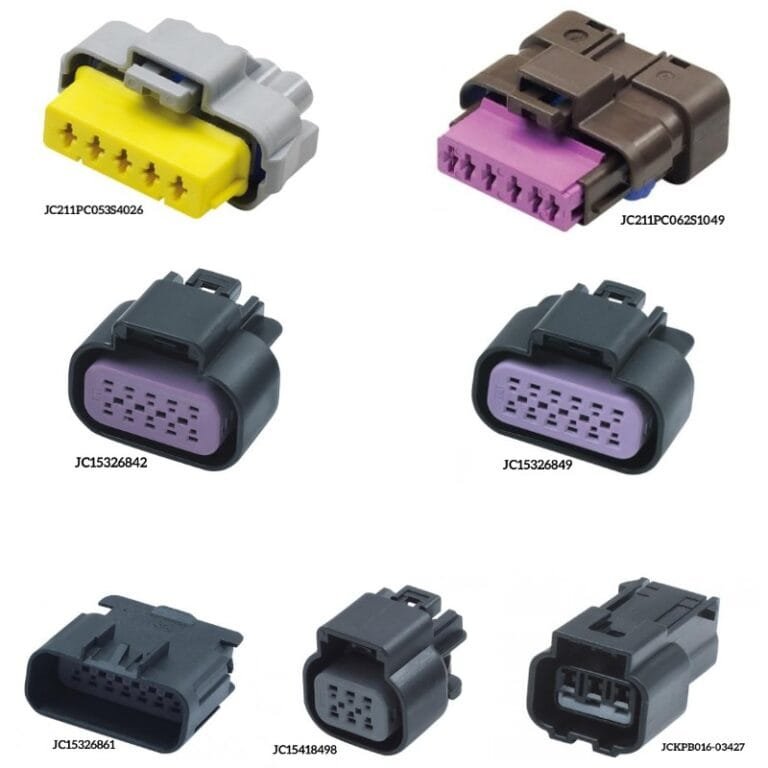
Before approving the conductor plan, 私たちと比較してください ワイヤーハーネスのピン配置レビューガイド そして ワイヤーハーネスコネクタタイプガイド. Those checks help connect gauge selection with the actual connector interface.
サプライヤー監査チェックリスト: 5 承認前に要求する書類
- Approved wire specification: verifies gauge, conductor, 絶縁, and revision.
- Load and route information: shows the design inputs used for current and voltage-drop decisions.
- Terminal and connector compatibility record: confirms the selected wire fits the interface.
- Environmental requirement: identifies temperature, 同梱, 動き, 水分, or chemical constraints.
- Change or deviation record: documents any approved substitution and revalidation.
Wire Harness Wire Gauge Selection FAQ
Q: Is current the only input for wire gauge selection?
いいえ. Current is one input. Route length, voltage drop, 温度, 同梱, 絶縁, terminal compatibility, mechanical fit, and application requirements also affect the decision.
Q: Can a larger wire always replace a smaller wire?
いいえ. A larger conductor may not fit the terminal barrel or connector cavity and may change routing or bend behavior. Any substitution should be reviewed and documented.
Q: What should I send for a custom gauge review?
図面またはサンプルをお送りください, load conditions, route length, supply voltage, 環境, コネクタの詳細, 量, および必要な検査書類. Our team can then review the complete assembly rather than only the conductor.

カスタム用 wire harness wire gauge selection レビュー, 楽清成利電子技術有限公司にお問い合わせください。, Ltd. で chl0002@yqchlidz.com または whatsapp +44 7835 413019.