Chicote elétrico personalizado para aplicações automotivas (Guia Completo)
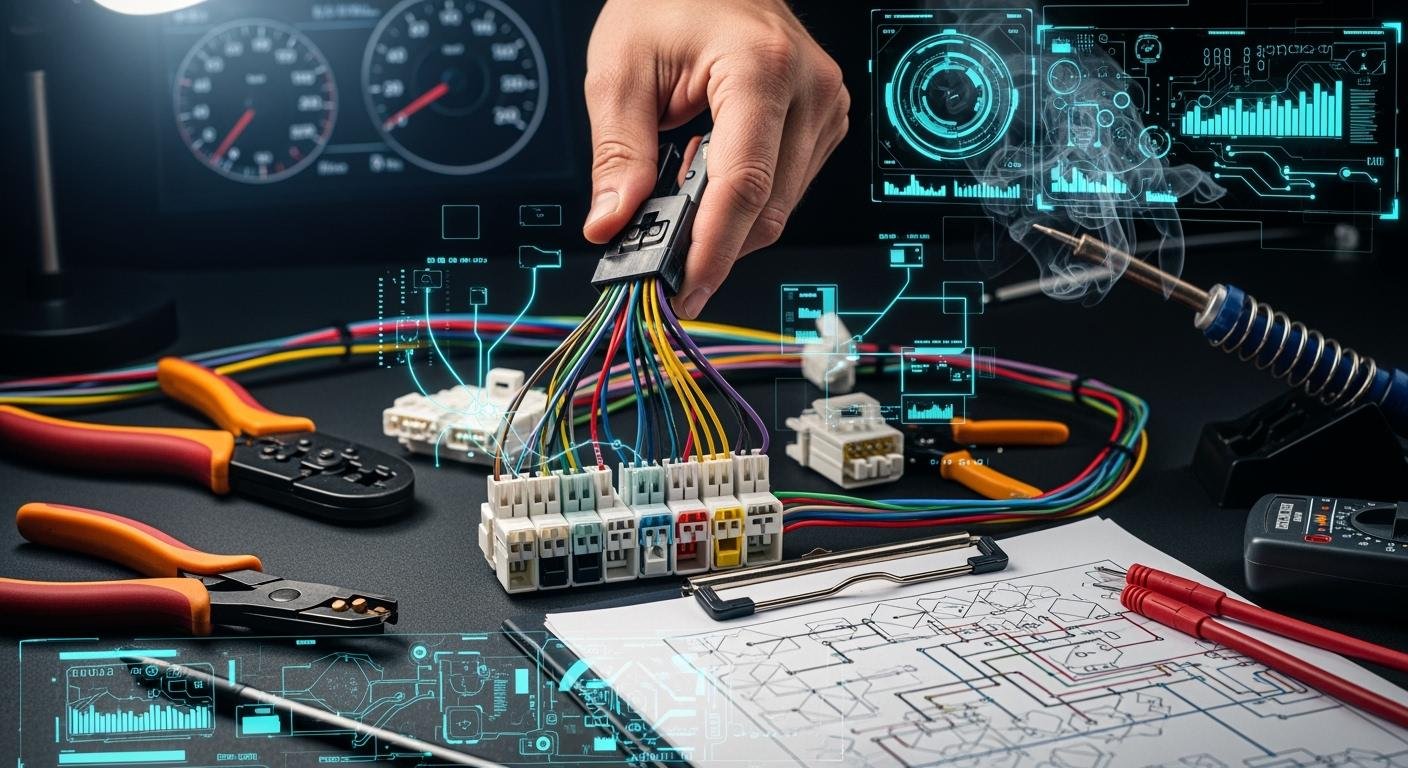
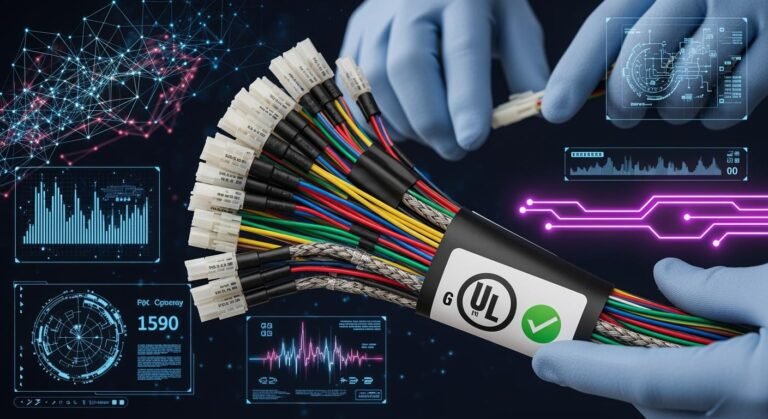
Você usa um chicote elétrico personalizado para conectar peças elétricas em seu carro. Este sistema fornece energia e sinais para cada parte chave. Carros novos precisam de fiação que funcione bem e seja muito confiável. A tecnologia muda rapidamente, então a fiação deve acompanhar. Quando você escolhe um arnês, encontre um fabricante com boas certificações e muita experiência. Muitos dos principais fabricantes têm certificações como ISO 9001, IATF 16949, Empresa UL, e ISO 14001. Essas certificações comprovam que eles se preocupam com qualidade e segurança.
Certificação | Descrição |
|---|---|
ISO 9001 | Certificação do Sistema de Gestão da Qualidade, mostrando que a empresa atende às necessidades do cliente. |
IATF 16949 | Padrão da indústria automotiva para gestão de qualidade e produção. |
Empresa UL | Conformidade com rigorosos padrões de segurança UL. |
ISO 14001 | Certificação do Sistema de Gestão Ambiental, apoiando o cuidado ambiental. |
Principais conclusões
UM chicote de fiação personalizado ajuda seu carro a funcionar melhor e durar mais. Isso é feito usando os materiais e tamanhos de fio corretos para cada peça.
Escolha um fabricante com certificações como ISO 9001 e IATF 16949. Isso garante que seu chicote elétrico seja seguro e de boa qualidade.
Verifique frequentemente o chicote elétrico quanto a danos ou conexões soltas. Isso evita problemas elétricos e mantém você seguro.
Planeje e anote seu projeto antes de fazer seu arnês. Isso ajuda a evitar erros e facilita os reparos posteriores.
Projetos modulares em chicotes elétricos simplificam atualizações e reparos. Isso permite que você altere o sistema elétrico do seu carro quando precisar.
Benefícios do chicote elétrico personalizado
Desempenho e Confiabilidade
Um chicote elétrico personalizado ajuda seu carro a funcionar melhor e permanecer confiável. O arnês é feito para atender às necessidades do seu carro. Cada fio e conector é escolhido para o trabalho certo. Isso evita problemas como fios ficando muito quentes ou perda de energia. O chicote usa o tamanho de fio correto para cada circuito.
Aqui está uma mesa que mostra como um chicote elétrico personalizado pode ajudar seu carro:
Tipo de melhoria | Descrição |
|---|---|
Melhor dimensionamento de fio | O tamanho de fio correto é usado para cada circuito. Isso mantém os problemas elétricos longe. |
Desordem reduzida | Os fios são organizados, para que a área do motor seja organizada e fácil de trabalhar. |
Durabilidade aprimorada | Bons materiais como o fio TXL podem suportar o calor e durar mais. |
Conexões personalizadas | Conectores e juntas são feitos para se adaptarem aos sistemas do seu carro. Isso torna as conexões mais fortes. |
Recursos de proteção | Mangas e conduítes protegem os fios contra calor e danos. |
Você pode confiar em um chicote de fiação personalizado de uma empresa certificada. Empresas como Yueqing Chengli Electronic Technology Co., Ltd. siga regras rígidas como ISO 9001 e IATF 16949. Essas regras mostram que a empresa se preocupa com qualidade e segurança. Se você escolher um arnês de um fabricante experiente, você obtém um produto que funciona bem e dura muito tempo.
Personalização e Flexibilidade
Um chicote elétrico personalizado permite que você combine com a configuração do seu carro. Você pode escolher os melhores materiais, comprimentos de fio, e conectores. Isso ajuda você a economizar peso, use menos combustível, e facilitar a instalação.
Aqui estão algumas maneiras comuns de personalizar chicotes elétricos automotivos:
Opção de personalização | Descrição |
|---|---|
Peso | Chicotes mais leves ajudam seu carro a andar mais rápido e consumir menos combustível. Você pode escolher materiais e comprimentos de cabo para torná-lo mais leve. |
Construção/Material | Você pode escolher fios de cobre ou alumínio. A crimpagem é usada para conexões fortes. |
Durabilidade | Tipos de isolamento como PVC e XLPE mantenha os fios protegidos do calor e de condições difíceis. |
Segurança | Testes e recursos de proteção mantêm seu carro protegido contra perigos elétricos. |
Design/Layout | Você pode planejar a melhor maneira de passar os fios, tornando a instalação mais segura e fácil. |
Com um chicote elétrico personalizado, você pode atender às regras legais e do setor. Você também recebe um arnês que se ajusta perfeitamente ao seu carro. Yueqing Chengli oferece muitas opções e utiliza materiais avançados para atender às suas necessidades.
Manutenção e solução de problemas
Um chicote elétrico personalizado facilita o cuidado do sistema elétrico do seu carro. O arnês está limpo e etiquetado, para que você possa encontrar problemas rapidamente. Se algo der errado, você pode usar ferramentas simples para verificar problemas.
Aqui estão algumas boas maneiras de encontrar e corrigir problemas:
Teste de continuidade do circuito. Use um multímetro para ver se os fios estão quebrados ou as conexões estão fracas.
Procure por curtos-circuitos. Meça a resistência entre os pontos para encontrar curtos antes de ligar a energia.
Verifique a alimentação e o aterramento. Faça testes de queda de tensão para encontrar resistência oculta nos fios de alimentação ou terra.
Verifique conectores e pinagens. Compare cada conector com o diagrama de fiação e use um multímetro para garantir que as conexões estejam corretas.
Você pode usar ferramentas como um multímetro ou testador de continuidade para verificar seu chicote. Algumas empresas, como Yueqing Chengli, use sistemas de testes avançados para garantir que cada chicote funcione antes de sair da fábrica. Esta verificação cuidadosa ajuda a evitar problemas e mantém seu carro funcionando bem.
Dica: Verifique e teste seu chicote elétrico personalizado com frequência. Isso pode interromper a maioria dos problemas elétricos antes que se tornem sérios.
Tipos de chicotes elétricos automotivos
Você deve escolher o chicote elétrico certo para o seu carro. Cada arnês tem seu próprio trabalho. As principais empresas ganham muitos chicotes personalizados para diferentes sistemas de automóveis. Isso ajuda você a encontrar o melhor chicote para o seu carro.
Chicotes de motor
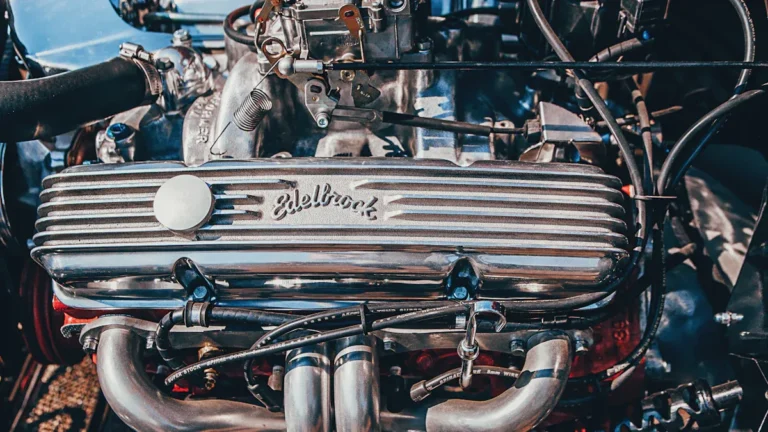
Os chicotes do motor unem as peças principais do motor. Eles conectam sensores, injetores de combustível, e bobinas de ignição. Esses arreios enfrentam o calor, tremendo, e óleo. Os fabricantes usam materiais fortes como poliimida e PTFE. Isso mantém o arnês funcionando bem em locais difíceis.
Dica: Verifique se o arnês tem etiquetas claras. Isso torna mais fácil instalar e corrigir.
Chicotes de iluminação
Chicotes de iluminação alimentam as luzes do seu carro. Você precisa deles para faróis, lanternas traseiras, e luzes internas. Bons chicotes usam peças padrão. Isso simplifica a fixação e substituição de peças. Guias claros ajudam você a conhecer cada fio e conector.
Os chicotes de iluminação geralmente têm designs modulares. Você pode trocar ou atualizar peças sem mudar tudo.
Áudio e infoentretenimento
Chicotes de áudio e infoentretenimento conectam alto-falantes, rádios, e telas. Você os usa para ouvir música e obter instruções. Bons materiais proporcionam um som nítido e conexões fortes. Os fabricantes usam compras e materiais inteligentes para economizar dinheiro e manter alta qualidade.
Aspecto | Descrição |
|---|---|
Componentes Padronizados | Peças fáceis de encontrar simplificam reparos e atualizações. |
Materiais de alta qualidade | Os materiais testados duram muito e funcionam bem. |
Rotulagem e documentação claras | Etiquetas e guias ajudam você a instalar e consertar coisas. |
Projeto Modular | Você pode alterar ou consertar peças com mais facilidade. |
Materiais resistentes à temperatura | Esses materiais continuam funcionando em locais quentes. |
Equilíbrio custo-desempenho |
Chicotes de sensores e dados
Chicotes de sensores e dados conectam sensores a unidades de controle. Você precisa disso para segurança, controle do motor, e novos recursos. Etiquetas e design modular ajudam você a consertar e atualizar rapidamente. Os fabricantes testam esses chicotes para atender a regras rígidas.
Você pode usar um chicote elétrico personalizado para qualquer um desses sistemas. Isso dá ao seu carro flexibilidade e confiabilidade.
Materiais e ferramentas para chicotes
Escolhendo o materiais e ferramentas certos é muito importante. Isso ajuda você a construir um chicote elétrico que seja seguro e dure muito tempo. Você precisa usar o bem, peças certificadas. Isso garante que o sistema elétrico do seu carro funcione bem. Empresas como Yueqing Chengli Electronic Technology Co., Ltd. usar materiais avançados. Eles também seguem regras rígidas como ISO 9001 e IATF 16949.
Tipos e bitolas de fios
Você tem que escolher o tipo e bitola de fio corretos para cada trabalho. Esta escolha afeta quanta eletricidade o fio pode suportar. Também afeta o quão bem funciona. Aqui está uma tabela que mostra alguns medidores de fio comuns e para que são usados:
Calibre do fio | Descrição | Classificação atual | Aplicativo |
|---|---|---|---|
10 AWG | Fio grosso para alta potência | Alternadores, principais circuitos de energia | |
14 AWG | Fio médio para iluminação | 10-20 amplificadores | Faróis, lanternas traseiras |
18 AWG | Fio fino para sensores | 3-7 amplificadores | Sensores, pequenos circuitos |
20 AWG | Pequenos circuitos (buzina, luzes) | Corrente baixa | Chifres, luzes indicadoras |
TXL | Aplicativos de corrida | Alta amperagem | Veículos de alto desempenho |
XL | Uso automotivo geral | Moderado | Sistemas automotivos padrão |
Fios mais grossos podem transportar mais eletricidade. Eles também ajudam a impedir que a tensão caia. Fios finos são melhores para circuitos que não precisam de muita energia.
Conectores e Terminais
Você precisa conectores e terminais fortes para boas conexões. Tente encontrar conectores que atendam a UL 486A/B e UL 758 padrões. Esses conectores suportam tremores e não enferrujam facilmente. Os terminais devem se encaixar firmemente. Eles devem ser feitos de latão ou cobre para que a eletricidade flua bem. Você pode usar crimpagem ou solda para conectar os terminais.
Ferramentas para montagem
Você precisa de ferramentas especiais para montar um chicote elétrico personalizado. Aqui estão algumas ferramentas que você precisará:
Cortadores e descascadores de fio ajudam você a preparar os fios.
As ferramentas de crimpagem garantem que os terminais permaneçam firmes.
Ferros de solda unem os fios para conexões fortes.
As ferramentas de etiquetagem ajudam a marcar os fios para que você saiba o que cada um faz.
Usar as ferramentas certas ajuda a evitar erros. Ele também mantém todas as conexões seguras.
Equipamento de segurança e teste
O equipamento de teste verifica se o seu arnês é seguro e funciona bem. Você deve usar essas ferramentas:
Os testadores de continuidade ajudam a encontrar fios quebrados.
Testadores de resistência de isolamento verificam se há vazamentos.
Alto potencial (Hipote) testadores garantem que o chicote esteja seguro com alta tensão.
Testes de tração e vibração verificam se o arnês é forte.
Testes ambientais, como ciclagem térmica e névoa salina, verificam se duram em locais difíceis.
Você deve seguir regras como IPC/WHMA-A-620, ISO 9001, e IATF 16949. Esses testes garantem que seu arnês esteja seguro em qualquer lugar.
Dica: Sempre teste seu chicote elétrico personalizado antes de colocá-lo no carro. Isso ajuda a evitar problemas elétricos e mantém seu carro seguro.
Projetando um chicote elétrico personalizado
Projetando um Chicote de fiação personalizado requer planejamento cuidadoso e atenção aos detalhes. Você precisa pensar em cada passo, do primeiro esboço ao diagrama final. Este processo ajuda você a construir um arnês que se adapte ao seu veículo e funcione com segurança.
Planejamento e Esquemas
Você começa planejando seu chicote elétrico. Pense no que seu carro precisa. Faça uma lista de todas as peças elétricas que deseja conectar. Isso pode incluir luzes, sensores, sistemas de áudio, ou controles do motor.
Desenhe um esquema simples. Este desenho mostra como cada parte se conecta. Use símbolos para interruptores, fios, e conectores. Um bom esquema ajuda você a ver todo o sistema antes de começar a construir.
Dica: Use lápis de cor ou marcadores para mostrar diferentes circuitos. Isso torna seu esquema fácil de ler.
Quando você planeja, você evita erros mais tarde. Você pode detectar conexões ausentes ou fios extras antes de cortar qualquer coisa. Um planejamento cuidadoso economiza tempo e dinheiro.
Medições e roteamento
Próximo, meça o espaço em seu carro onde o arnês irá. Use uma fita métrica para verificar a distância entre cada peça. Anote cada medição. Adicione um pouco de comprimento extra para curvas e curvas.
Medições precisas e o roteamento inteligente tornam seu arnês seguro e eficiente. Aqui está o porquê:
Você reduz o risco de falhas elétricas, o que mantém seu carro mais seguro.
Um bom roteamento reduz a perda de energia e mantém os sinais fortes.
Medições precisas ajudam cada conector a se ajustar, assim você evita fios soltos ou apertados.
Siga estas etapas para obter os melhores resultados:
Planeje os caminhos dos fios para evitar curvas acentuadas, puxando, ou torcendo. Isso evita que os fios quebrem.
Certifique-se de que os comprimentos dos fios sejam suficientes para dobras e curvas.
Verifique novamente se cada conector corresponde à parte em que se conecta.
Observação: Se você direcionar os fios longe de peças quentes ou móveis, você os protege de danos.
Documentação e Diagramas
Uma boa documentação ajuda você a construir, instalar, e conserte seu arnês. Comece por rotulando cada fio. Anote o que cada fio faz. Use etiquetas coloridas ou fios para mostrar circuitos diferentes. Isso torna mais fácil encontrar o fio certo mais tarde.
Crie um diagrama claro. Mostre para onde vai cada fio e como ele se conecta. Inclua detalhes como tipos de conectores e números de pinos. Um bom diagrama ajuda você e qualquer outra pessoa que trabalhe no seu carro.
Você deve manter todas as suas anotações, diagramas, e rótulos juntos. Isso ajuda os técnicos de serviço e torna os reparos mais rápidos. Muitas pessoas usam arquivos em papel e digitais. Algumas empresas usam visualizadores on-line para mostrar localizações de conectores e caminhos de fios.
Rotule cada fio com seu trabalho, como “farol” ou “sensor”.
Use cores para diferenciar os circuitos.
Desenhe diagramas que mostrem cada conexão e rota.
Incluir informações e locais do conector.
Torne seus documentos fáceis de ler e entender.
Dica: Uma boa documentação economiza tempo durante reparos e atualizações. Também ajuda você a seguir as regras de segurança.
Quando você segue estas etapas, você cria um arnês que funciona bem e é fácil de manter. Você torna seu carro mais seguro e confiável.
Etapas de construção e montagem
Cortando e Preparando Fios
Você começa medindo e cortando cada fio no comprimento certo. Use um cortador de fio para bordas limpas. Retire o isolamento das extremidades com um descascador de fios. Certifique-se de não cortar ou danificar os fios do fio. Extremidades de fio limpas ajudam você a obter conexões fortes. Verifique suas medidas antes de cortar. Esta etapa economiza tempo e evita erros posteriores.
Dica: Adicione um pouco mais de comprimento a cada fio. Isso lhe dá espaço para curvas e facilita a instalação.
Crimpagem e Soldagem
Você une fios aos terminais usando crimpagem ou solda. A crimpagem funciona melhor para chicotes automotivos. Isso te dá forte, conexões flexíveis que duram em carros. As juntas frisadas permanecem confiáveis em locais com vibração e calor. Eles também protegem a umidade e evitam a ferrugem. As juntas soldadas podem tornar-se frágeis e quebrar quando os fios se movem. A crimpagem atende a padrões como SAE/USCAR-21, CEI 60352-2, e IPC/WHMA-A-620.
Conexões crimpadas permanecem fortes em condições adversas.
As juntas soldadas podem falhar se o fio flexionar ou vibrar.
A crimpagem forma uma vedação hermética que bloqueia a umidade.
Quando você frisa, use a ferramenta certa para seus terminais. Verifique cada crimpagem para ter certeza de que está apertada e segura.
Agrupamento e rotulagem
Você mantém os fios arrumados agrupando-os. Use laços zip, mangas, ou envoltório em espiral. Esta etapa protege os fios contra danos e facilita a instalação do chicote. Rotule cada fio para saber onde ele vai. Uma boa rotulagem ajuda a resolver problemas rapidamente.
As etiquetas termorretráteis se ajustam perfeitamente e durar muito tempo.
Etiquetas autolaminadas protegem contra sujeira e óleo.
Etiquetas envolventes funcionam bem para cabos maiores.
Marcadores ou bandeiras impressas facilitam a localização dos fios.
Etiquetas ou braçadeiras de cabos adicionam informações extras.
Você também pode usar etiquetas de código de barras ou marcação a laser para trabalhos de alta tecnologia. Etiquetas claras simplificam reparos e atualizações.
Testando o arnês
Você deve testar seu chicote antes de instalá-lo. Comece com teste de continuidade. Isso verifica se cada fio está conectado de ponta a ponta. Alta tensão (Hi-Pote) testes verificam o isolamento. O teste de força de tração garante que as crimpagens permaneçam firmes. A análise da seção transversal de crimpagem usa um microscópio para verificar o interior de cada crimpagem. Testes de estresse ambiental colocam o arnês sob calor, frio, e vibração. A inspeção visual e de rótulo verifica erros e garante que cada rótulo esteja claro.
Procedimento de teste | Propósito | Equipamento/Padrões |
|---|---|---|
Teste de continuidade | Verifica caminhos elétricos completos | Testadores de cabos, IPC/WHMA-A-620 |
Alta Tensão (Hi-Pote) Teste | Verifica o isolamento sob estresse | Até 5.000V, Ul, CEI 60228, ISO 6722 |
Teste de força de tração | Verifica a resistência da crimpagem | Medido em Newtons |
Seção transversal de crimpagem | Verifica a qualidade da crimpagem sob um microscópio | Ferramentas de microscopia |
Teste de Estresse Ambiental | Testa o equipamento em condições difíceis | Ciclismo térmico, vibração |
Inspeção visual e de rótulos | Verifica se há rótulos claros e montagem organizada | Inspetores certificados pelo IPC |
O teste detecta problemas antecipadamente. Você evita problemas como fios quebrados ou conexões ruins. Isso mantém seu carro seguro e confiável.
Dicas de instalação
Preparação do Veículo
Você deve começar preparando seu veículo. Desconecte a bateria para se proteger de choques elétricos. Limpe a área onde você instalará o arnês. Remova os fios antigos e limpe qualquer sujeira ou óleo. Verifique se há arestas afiadas ou superfícies quentes que possam danificar novos fios. Organize seu chicote elétrico personalizado e compare-o com o layout do seu veículo. Esta etapa ajuda você a identificar quaisquer peças ou fios ausentes antes de começar.
Dica: Tire fotos da fiação do seu veículo antes de remover qualquer coisa. Essas fotos podem ajudá-lo a lembrar para onde vai cada fio.
Proteção e roteamento
Você precisa proteger e direcionar seu chicote elétrico da maneira certa. Isso mantém seus fios seguros e ajuda seu carro a funcionar bem. Utilize a tabela abaixo para ver melhores estratégias:
Estratégia | Descrição |
|---|---|
Roteamento adequado | Evite fresar muito perto de fontes de calor ou superfícies afiadas para evitar desgaste e falhas. |
Métodos de vedação eficazes | Use técnicas de vedação fortes para manter a umidade e detritos longe dos condutores. |
Componentes de alívio de tensão | Incorporar ilhós, botas, e tubos termorretráteis para proteger os terminais e reduzir o movimento. |
Montagem segura | Posicione os cabos para evitar arestas vivas e garanta uma montagem segura para reduzir o desgaste causado pela vibração. |
Adicione peças de alívio de tensão, como ilhós e braçadeiras, para reduzir a tensão nos fios.
Tente usar menos conectores e junções. Isso reduz locais onde problemas podem acontecer.
A trança do chicote de fios oferece proteção extra. Ajuda a impedir danos causados por fricção ou forças externas. Isso faz com que seu arnês dure mais.
Conexões de energia e aterramento
Você deve conectar os fios de alimentação e terra com cuidado. Use limpo, pontos sem ferrugem para fios terra. Aperte todos os parafusos e porcas para que os fios não se soltem. Use o fio do tamanho certo para cada conexão. Isso mantém o sistema elétrico do seu carro seguro e forte. Cubra qualquer fio exposto com fita isolante ou tubo termorretrátil. Esta etapa interrompe curtos-circuitos e mantém a umidade do lado de fora.
Observação: Sempre verifique novamente suas conexões de alimentação e aterramento antes de passar para a próxima etapa.
Verificação final do sistema
Você deve sempre fazer um verificação final depois de instalar o seu chicote de fiação personalizado. Siga estas etapas:
Certifique-se de que todas as conexões estejam firmes e seguras.
Procure por pontas de fio soltas.
Verifique se você usou as peças corretas para o seu veículo.
Enrole todos os fios extras com fita isolante.
Teste o sistema elétrico do seu carro para ver se tudo funciona.
Se você seguir estas etapas, você terá um chicote elétrico seguro e confiável em seu veículo.
Erros comuns a evitar
Quando você trabalha com chicotes elétricos personalizados, você deve observar os erros. Esses erros podem prejudicar o sistema elétrico do seu carro. Eles também podem tornar mais difícil consertar as coisas mais tarde.
Dimensionamento ou roteamento incorreto
Escolher o tamanho ou caminho de fio errado causa problemas. Fios muito finos podem esquentar e quebrar. Fios muito grossos adicionam peso e custam mais. Sempre use o fio do tamanho certo para cada trabalho.
Rotear os fios da maneira errada também pode causar problemas. Aqui estão algumas coisas que você não deve fazer:
Coloque os fios onde eles são puxados ou torceu muito.
Passe os fios perto de pontos pontiagudos ou quentes.
Faça os fios muito longos ou muito curtos, que desperdiça fio ou os torna apertados.
Passe os fios em locais apertados sem deixar espaço para alcançá-los.
Esqueça de usar seções modulares ou subarreios para reparos fáceis.
Ignore coisas como água ou calor que podem danificar os fios.
Dica: Planeje os caminhos dos fios para mantê-los seguros e facilitar os reparos.
Conexões ruins
Conexões ruins podem impedir seu carro de funcionar direito. Se você coloque um fio no lugar errado, o sistema pode não funcionar. Crimpagens soltas podem fazer você perder energia ou até mesmo iniciar um incêndio. Sempre verifique todas as conexões para ter certeza de que estão boas.
Outros erros incluem:
Não usar a ferramenta certa para crimpagem ou soldagem.
Ignorando a etapa em que você testa cada conexão.
Não verificando se os sinais são fortes, o que pode fazer com que as partes não falem entre si.
Sempre teste seu arnês antes de colocá-lo. Isso ajuda você a encontrar erros antecipadamente.
Falta de documentação
Se você não mantiver bons registros, você pode ter grandes problemas mais tarde. Sem diagramas e rótulos claros, você pode conectar os fios errados ou perder etapas. Registros ruins podem retardar os reparos e dificultar as atualizações.
Conseqüência | Descrição |
|---|---|
Faz você perder prazos e retarda o trabalho. | |
Montagem incorreta | Significa que você tem que corrigir erros e trabalhar mais. |
Falhas de campo e reclamações de garantia | Aumenta os custos de reparos e substituições. |
Dificuldade em escalar a produção | Torna difícil crescer e trabalhar mais rápido. |
Perda de conhecimento quando os engenheiros saem | Faz com que os projetos parem ou desacelerem. |
Auditorias de qualidade falhadas | Pode fazer você perder contratos e confiança. |
Observação: Bons registros ajudam você a evitar erros e manter seu projeto indo bem.
Guia de manutenção do arnês
Inspeção Regular
Você deve verificar seu chicote elétrico personalizado com frequência. Procure coisas como isolamento rachado ou conectores soltos. Etiquetas desbotadas também podem ser um problema. Use uma lanterna para ver fios em locais escuros. Mova o chicote suavemente para encontrar fios fracos ou quebrados. Se você vir sujeira ou água, limpe com um pano seco. Certifique-se de que todos os conectores estejam apertados e não enferrujados. Verificar seu arnês com frequência ajuda você a encontrar problemas antecipadamente. Isso mantém seu carro seguro.
Dica: Defina um lembrete para verificar seu arnês a cada poucos meses. Fazer isso pode impedir que problemas maiores aconteçam.
Solução de problemas
Se algo estiver errado, você precisa encontrar o problema rapidamente. Comece observando os rótulos e diagramas que você fez antes. Use um multímetro para verificar a energia em ambas as extremidades do fio. Se um circuito não funcionar, olhe primeiro os conectores. Conectores soltos ou sujos causam muitos problemas. Se você encontrar um fio quebrado, coloque fita nele. Substitua imediatamente quaisquer fios que estejam danificados. Sempre desligue a energia do seu carro antes de tocar nos fios.
Aqui está uma lista de verificação simples para solução de problemas:
Procure por fusíveis queimados.
Verifique se há energia em cada conector.
Procure fios com cortes ou queimaduras.
Certifique-se de que todos os fios terra estejam firmes.
Substitua quaisquer peças que estejam danificadas.
Reparos e atualizações
Você pode consertar ou atualizar seu arnês para ajudá-lo a durar mais. Muitos chicotes personalizados usam um design modular. Isso significa que você pode trocar peças sem remover tudo. Você pode adicionar coisas novas, como luzes extras ou sensores, conectando novos fios a pontos abertos.
Recurso | Descrição |
|---|---|
O design modular permite fazer alterações rapidamente, para que seu carro não fique fora de uso por muito tempo. | |
Atualizações simplificadas | Você pode adicionar novas peças facilmente sem alterar todos os fios. |
Obsolescência Minimizada | O design flexível ajuda seu arnês a durar mais e economiza dinheiro. |
Chicotes modulares facilitam a fixação e a atualização.
Você pode adicionar ou alterar peças sem muitos problemas.
Se você mantiver seu arnês limpo e resolver os problemas rapidamente, o sistema elétrico do seu carro durará muito tempo.
Você obtém melhor desempenho e confiabilidade com um Chicote de fiação personalizado no seu carro. Bons materiais e design inteligente mantêm seu carro seguro e funcionando bem. Você deve escolher fabricantes certificados como Yueqing Chengli para obter resultados confiáveis. Se você quiser mais opções, você pode perguntar a especialistas ou conferir a personalização avançada para seu carro.
Perguntas frequentes
O que é um chicote elétrico personalizado?
UM chicote de fiação personalizado conecta peças elétricas em seu carro. Você escolhe os fios, conectores, e layout. Isso ajuda seu carro a funcionar melhor e facilita os reparos.
Como posso saber se preciso de um arnês personalizado?
Você precisa de um arnês personalizado se adicionar novas peças, atualizar sistemas, ou deseja melhor desempenho. Chicotes personalizados atendem às necessidades do seu carro e ajudam a evitar problemas elétricos.
Quanto tempo leva para instalar um chicote elétrico personalizado?
A maioria das pessoas consegue instalar um arnês personalizado em poucas horas. O tempo depende do seu carro e do design do chicote. O planejamento cuidadoso e rótulos claros tornam o trabalho mais rápido.
Quais certificações devo procurar em um fabricante de chicotes elétricos?
Procurar ISO 9001, IATF 16949, Ul, e certificações CE. Isso mostra que o fabricante atende a padrões de alta qualidade e segurança.
Posso atualizar meu arnês mais tarde?
Sim! Muitos chicotes personalizados usam designs modulares. Você pode adicionar novos fios ou conectores ao atualizar os sistemas do seu carro.