Prüfung des Isolationswiderstands von Kabelbäumen: 5 Kritische Prüfungen
Wenn ein Kabelbaum die Durchgangs- und Hipot-Prüfungen besteht, aber dennoch ein instabiles Geräteverhalten erzeugt, Der Isolationswiderstand könnte der fehlende Beweis sein. Eine kontrollierte wire harness insulation resistance test helps buyers assess whether insulation separates conductors as required by the approved design. The result must be interpreted with the cable construction, test method, Stromspannung, Zeit, Umfeld, and customer acceptance criteria in view.
What Does a Wire Harness Insulation Resistance Test Check?
An insulation resistance test evaluates the electrical resistance between defined conductors or between a conductor and a reference point. It is different from continuity, which looks for an intended path, and different from hipot, which applies a specified dielectric stress.
The measurement can help reveal damaged insulation, Kontamination, moisture-related problems, incorrect conductor grouping, or a connection that should remain electrically separated. It does not replace visual inspection or a review of the harness drawing.
How Should You Prepare the Test Before Measuring?
Begin with the approved drawing, conductor list, Ansicht des Steckerhohlraums, and test instruction. Confirm which conductors are measured together, die isoliert sind, and whether shields, drains, grounds, or electronic components are included in the measurement.
- Confirm the revision: Match the part number, Zeichnungsüberarbeitung, and test instruction.
- Confirm the test points: Define conductor-to-conductor and conductor-to-reference combinations.
- Check the sample: Verify that stripped ends, Siegel, Terminals, and connectors are assembled as intended.
- Control the environment: Record conditions that could influence the result, such as moisture or contamination.
For a workmanship reference, Käufer können das überprüfen WHMA-Erklärung zu IPC/WHMA-A-620. The relevant acceptance class and customer requirement still need to be confirmed for each harness project.
How Should Buyers Interpret Test Results?
A measured value only has meaning when it is linked to the approved method and acceptance limit. Do not compare a result from one cable construction with a result from another and assume that the same limit applies.
Wenn eine Probe fehlschlägt, inspect the circuit grouping, stripped sections, Steckverbinderhohlräume, Siegel, Routenführung, surface contamination, and fixture contact before assigning the cause. A repeat result without a documented failure investigation does not explain whether the issue came from the harness or the test setup.
- Low resistance: Check damaged insulation, Kontamination, Feuchtigkeit, or unintended contact.
- Unstable readings: Check test leads, Gerätekontakt, Bewegung, and environmental conditions.
- Unexpected open result: Confirm the test connection and conductor grouping before rejecting the sample.
- Different lot behavior: Compare material, process, storage, and traceability records.
When Is Insulation Resistance Testing Not Enough?
Insulation resistance does not prove connector locking, terminale Retention, Crimpqualität, Biegeleistung, Abriebfestigkeit, or long-term temperature durability. Those risks require their own inspection or validation when the application demands it.
Automobil, Gerät, Neue Energie, and industrial machinery harnesses can have different voltage, Bewegung, Feuchtigkeit, und Servicebedingungen. The test plan should follow the real installation environment instead of copying a generic number from another project.
How Can a Custom Harness Supplier Support the Review?
Wenn wir ein maßgeschneidertes Geschirr überprüfen, we confirm the drawing, Kabelspezifikation, Steckverbinderfamilie, Anwendung, sample status, Menge, and required inspection documents before production. This gives the measurement a controlled reference instead of an isolated pass-or-fail result.
Yueqing Chengli Electronic Technology Co., Ltd. liefert maßgeschneiderte Kabelbäume für die Automobilindustrie, Gerät, Neue Energie, und industrielle Ausrüstungsanwendungen. Our available company information references ISO 9001, Iatf 16949, Ul, CE, RoHS, und REACH; buyers should confirm which documents apply to their project.
For circuit preparation, compare our Anleitung zur Durchgangsprüfung von Kabelbäumen. For insulation separation and approved electrical stress, Überprüfen Sie die wire harness hipot test guide before finalizing the test sequence.
Checkliste für Lieferantenaudits: 5 Records to Request
- Genehmigte Prüfanweisung: verifies the method, test points, and acceptance criteria.
- Conductor grouping diagram: shows which circuits must remain separated.
- Equipment or fixture record: identifies the measurement interface and test setup.
- Sample report: links the result to part number, Revision, viel, and operator or system record.
- Failure investigation: shows containment, root-cause checks, and disposition of failed samples.
Wire Harness Insulation Resistance Test FAQ
Q: Is insulation resistance the same as a hipot test?
NEIN. Insulation resistance measures resistance under its specified method, while hipot applies an approved dielectric stress. A project may require both because they evaluate different risks.
Q: Can I use a generic resistance limit for every harness?
NEIN. The limit depends on the approved design, Isoliersystem, test method, and customer requirement. Ask the supplier to identify the source of the acceptance criterion.
Q: What information should I send for a custom test review?
Senden Sie die neueste Zeichnung oder das neueste Muster, wire and connector details, Anwendungsumgebung, Dirigentengruppierung, Menge, and required records. Our technical team can then separate design questions from test-document questions.
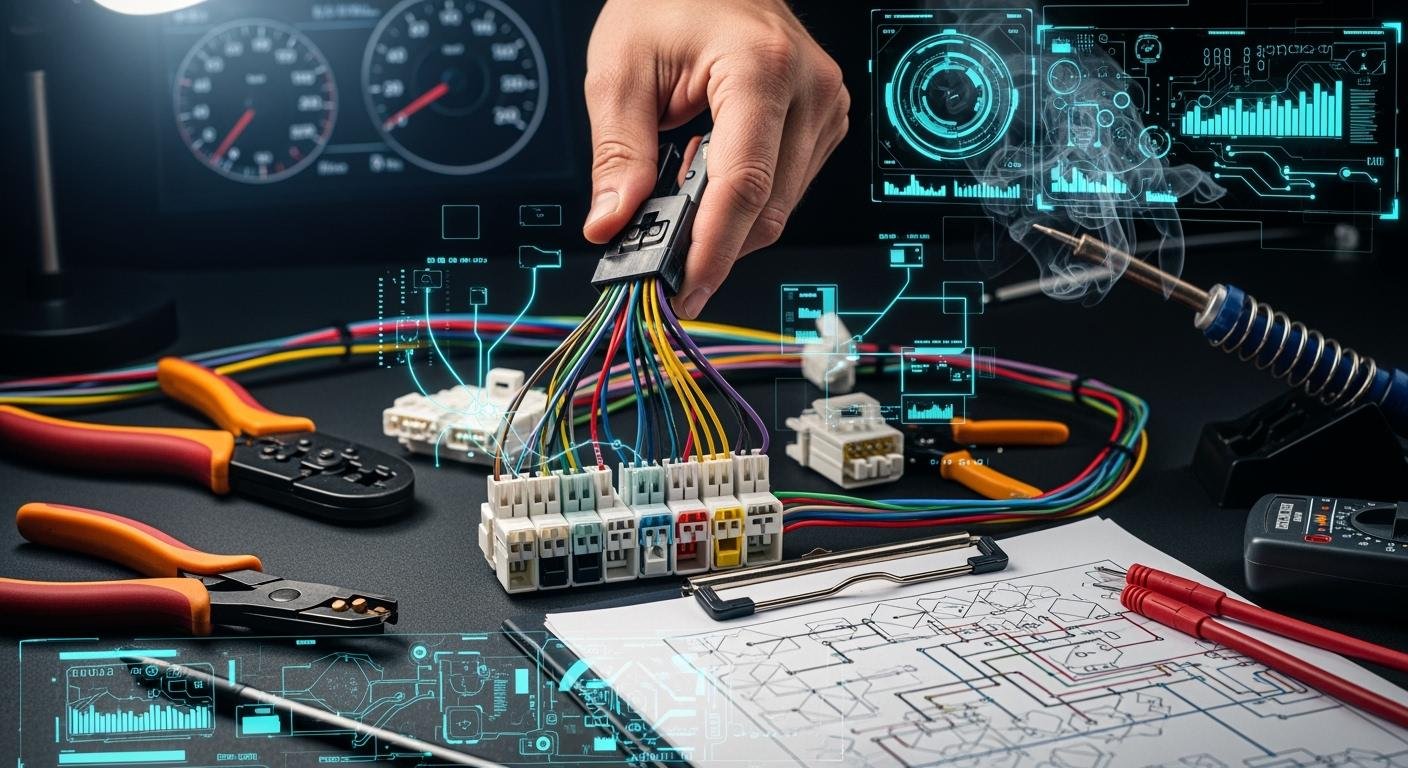
Für einen Brauch wire harness insulation resistance test Rezension, Kontaktieren Sie Yueqing Chengli Electronic Technology Co., Ltd. bei chl0002@yqchlidz.com oder WhatsApp +44 7835 413019.