Wire Harness Bend Radius: Preventing Fatigue and Signal Loss
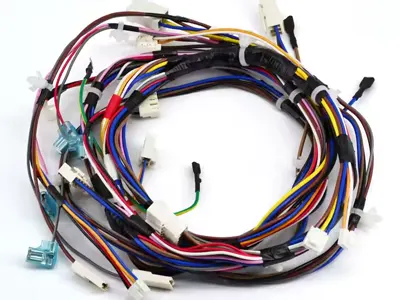
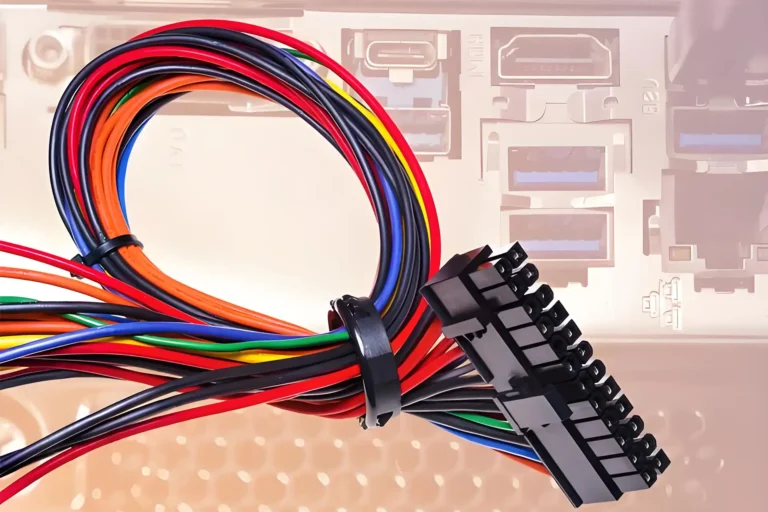
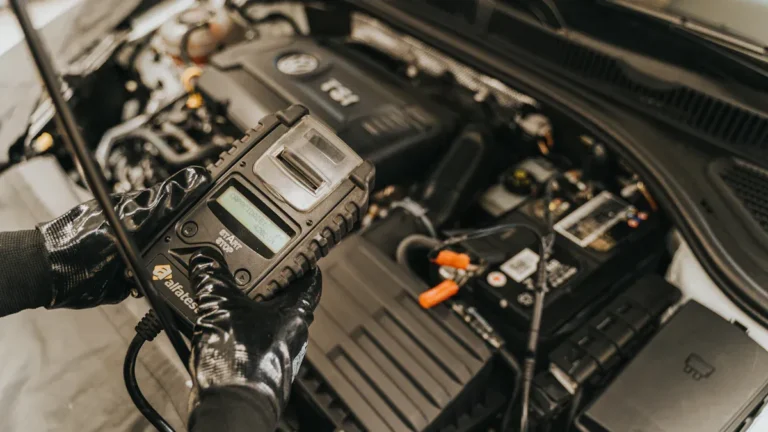
Routing a cable through a tight enclosure seems like a simple task, but if the wire harness bend radius is too small, the internal copper conductors and insulation will suffer irreversible damage. Over-bending leads to increased electrical resistance, signal loss, and eventually, a total circuit failure. Understanding how to calculate and maintain the correct bend radius is critical for the safety of automotive, industrial, and medical electronic devices.
What is Wire Harness Bend Radius?
The bend radius is the minimum radius a cable can be bent without damaging its internal structure. It is typically expressed as a multiple of the cable’s outer diameter (OD). For example, a 10x bend radius for a 5mm cable means the minimum radius of the curve should be 50mm.
The Hidden Risks of Over-Bending
When a harness is forced into a sharp angle, the outer edge of the insulation stretches while the inner edge compresses. This stress leads to several points of failure:
- Conductor Fatigue: Repeated bending beyond the limit causes copper strands to fracture, reducing the current-carrying capacity.
- Insulation Cracking: The protective sheath can develop micro-cracks, allowing moisture to enter and causing short circuits or corrosion.
- EMI Shielding Failure: In shielded cables, over-bending distorts the foil or braid, creating “leaks” that allow electromagnetic interference to disrupt data signals.

Standard Calculation Guidelines
While specific manufacturers provide their own data, industry standards like IPC-A-620 provide general rules for wire harness bend radius:
- Static Bends: For cables that are installed and never move, a bend radius of 4x to 6x the outer diameter is usually acceptable.
- Dynamic Bends: For cables used in robotic arms or moving service panels, the radius should be at least 10x to 12x to accommodate millions of cycles.
- Coaxial and Shielded Cables: These require larger radii (often 8x to 10x) because the internal dielectric and shielding layers are highly sensitive to deformation.
Best Practices for Harness Routing
To ensure your wire harness bend radius remains within safe limits during installation, follow these professional tips:
- Use Cable Clamps and Spacers: Proper support prevents the weight of the harness from pulling it into a sharp bend at the connector interface.
- Avoid Tension: A cable should never be under tension while bent; always allow for enough “slack” to let the harness follow its natural curve.
- Protect Breakout Points: The area where a branch leaves the main trunk is the most common site for over-bending. Use heat shrink or specialized grommets to reinforce these points.
Quality Manufacturing at Yueqing Chengli
At Yueqing Chengli Electronic Technology Co., Ltd., we apply UL and IATF 16949 standards to every custom wiring project. Our engineering team reviews your routing requirements to ensure that the chosen wire gauge and insulation type are optimized for your assembly space without compromising the wire harness bend radius.
Bend Radius FAQ
- Q: Does the insulation type affect the bend radius? A: Yes. Materials like Silicone are much more flexible than Teflon (PTFE), allowing for tighter bends in space-constrained applications.
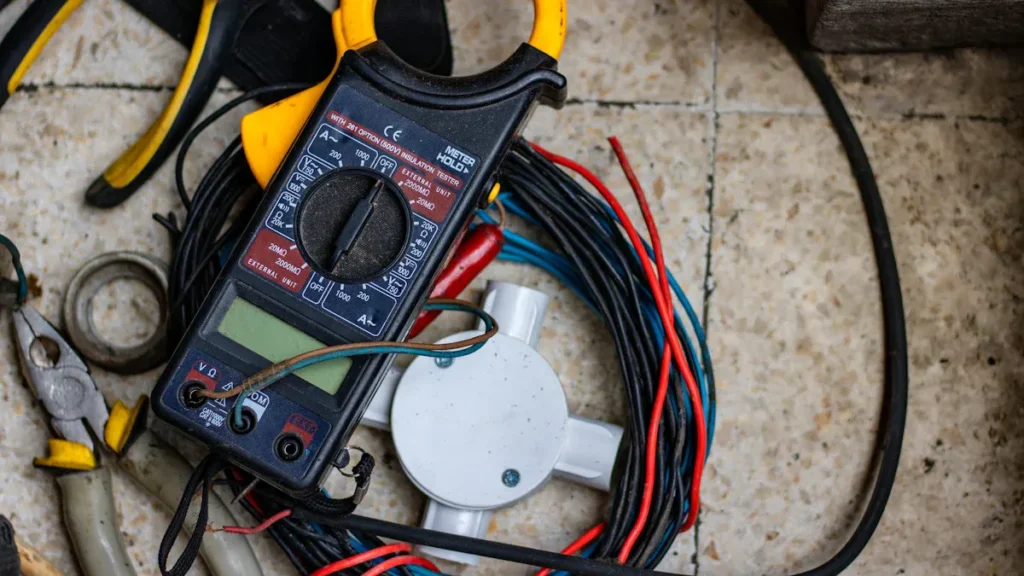
- Q: How do I measure bend radius in the field? A: You can use a radius gauge or simply measure the diameter of the curve and divide by two. If the curve fits perfectly around a cylinder of a known radius, that is your measurement.