Wire Harness Connector Types: A Buyer’s Guide to Reliability
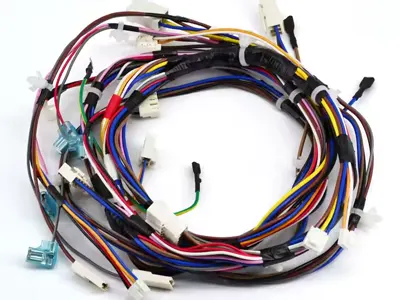
Choosing the wrong interconnect can lead to field failures, signal interference, or costly assembly delays. When sourcing a custom assembly, understanding the different wire harness connector types is the first step in ensuring long-term reliability. Whether you are designing for high-vibration automotive environments or moisture-prone industrial machinery, the connector housing, terminals, and locking mechanism must match the application’s physical and electrical demands.
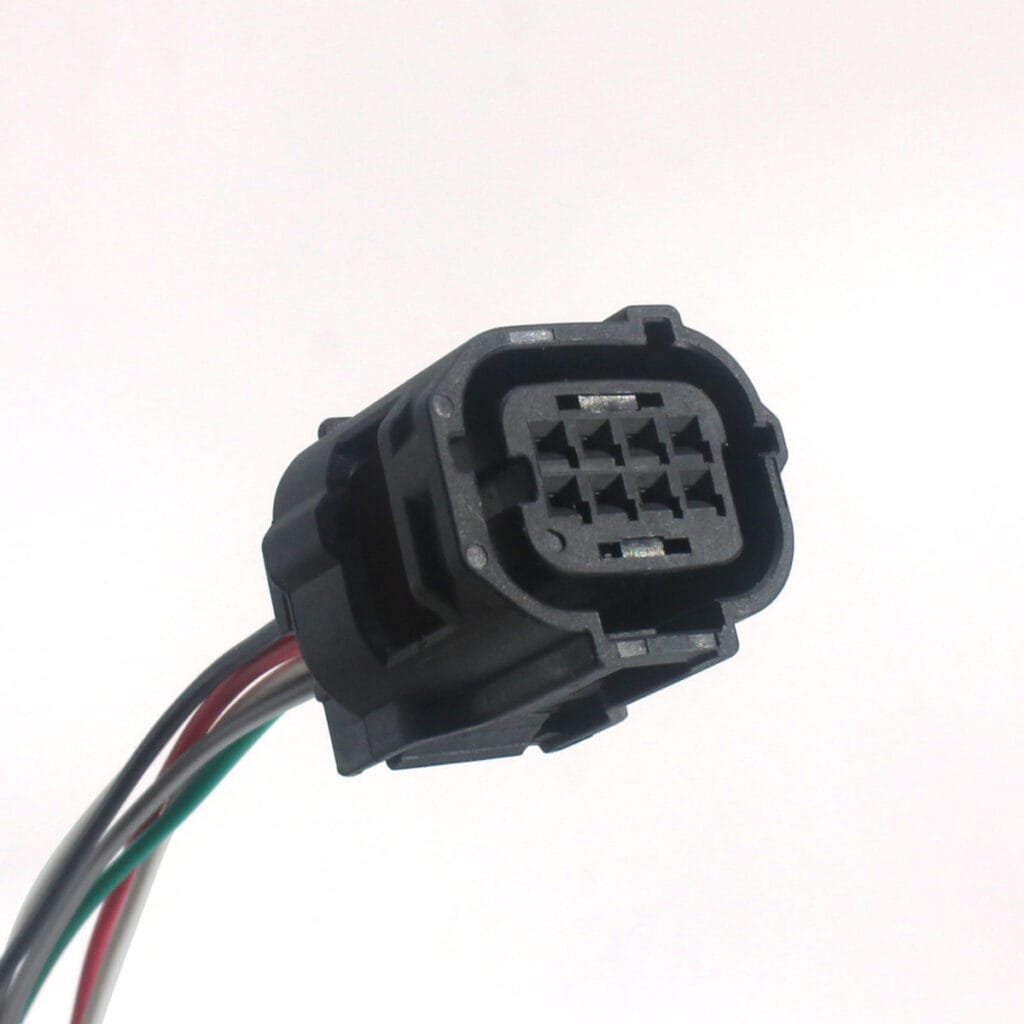
Common Wire Harness Connector Categories
Connectors are generally categorized by their mounting style and how they mate with the PCB or other wire groups. For industrial and automotive applications, three primary types dominate the market:
- Wire-to-Wire Connectors: Used to join two separate harness branches. These are essential for modular designs where different sections of a machine or vehicle need to be disconnected for service or shipping.
- Wire-to-Board Connectors: These mate a harness directly to a Printed Circuit Board (PCB). They often feature locking headers or friction-fit housings to maintain contact under stress.
- Board-to-Board Connectors: While less common in a flexible harness, these are used in rigid-flex assemblies to stack PCBs or connect internal modules without traditional wires.

Why Locking Mechanisms Matter in High-Vibration Environments
In automotive and aerospace applications, vibration is a constant threat to electrical continuity. A simple friction-fit connector can back out over time, leading to intermittent signal loss. When selecting wire harness connector types, engineers must look for positive locking features:
- TPA (Terminal Position Assurance): A secondary lock that ensures the terminal is fully seated in the housing. It prevents “terminal back-out” during mating.
- CPA (Connector Position Assurance): A lock that confirms the two connector halves are fully mated and prevents accidental disconnection.
- Secondary Locks: Essential for safety-critical systems like airbags or industrial emergency stops.
Sealed vs. Unsealed Connectors: The Decision Guide
Exposure to dust, moisture, or chemicals dictates whether you need a sealed connector. Sealed wire harness connector types utilize silicone or rubber seals at the interface and individual wire seals (mats) at the back of the housing. These are rated by IP (Ingress Protection) codes, such as IP67 or IP69K, common in under-the-hood automotive wiring or outdoor solar installations.
Unsealed connectors are lighter and more cost-effective for internal cabin electronics or protected appliance interiors where moisture is not a concern.
Terminal Plating: Gold vs. Tin
The contact surface of the connector terminal determines its lifespan and electrical performance. Tin plating is the standard for low-cost, low-mating-cycle applications. However, in low-voltage signal circuits, tin is prone to fretting corrosion. Gold plating is preferred for high-reliability signal transmission because it does not oxidize, ensuring a clean connection even after years of use in harsh environments.
Expert Advice for Sourcing Interconnects
At Yueqing Chengli Electronic Technology Co., Ltd., we specialize in customizing wire harnesses using certified connector families like TE Connectivity, Molex, JST, and Hirose. Our facility is IATF 16949 and ISO 9001 certified, ensuring that every terminal crimp and housing selection meets international quality standards.
For more information on selecting the right materials for your project, contact our technical team at chl0002@yqchlidz.com or via WhatsApp at +44 7835 413019. We provide professional support for automotive, new energy, and industrial equipment wiring.
Wire Harness Connector FAQ
- Q: Can I mix different connector brands? A: We strongly advise against mixing brands even if they look identical. Minor differences in terminal tolerances can lead to poor contact or physical damage during mating.
- Q: What is the lead time for custom connectors? A: While standard Molex or JST parts are often in stock, specialized or long-lead-time components may require 4-8 weeks. We recommend early involvement in the design phase to avoid delays.